


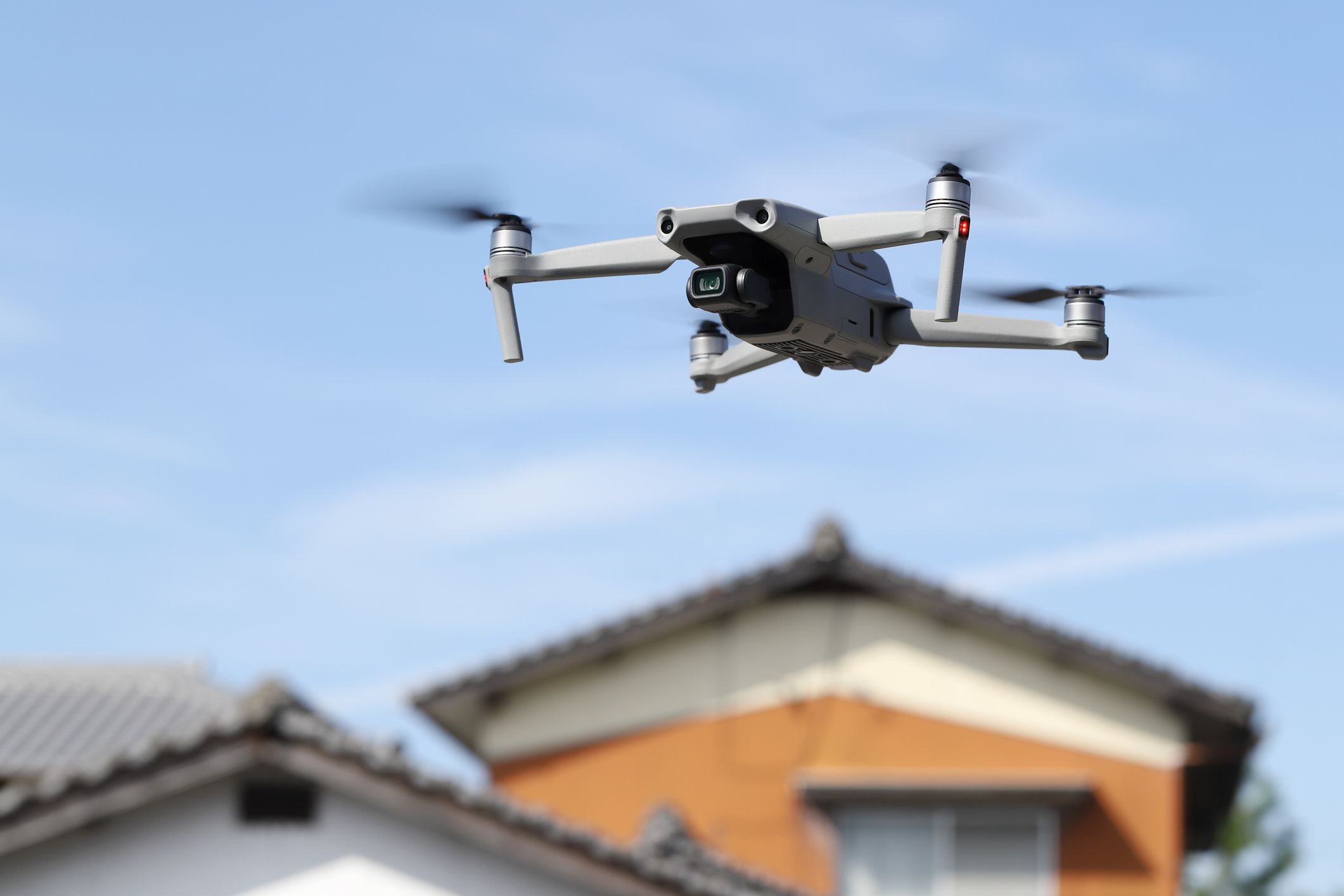
For many homeowners, the idea that an insurance company might quietly fly a drone, or pull satellite images, over their house feels unsettling. Not because they’re hiding something, but because home insurance has traditionally involved human judgment: an adjuster on the ground, a phone call, a chance to explain.
Now, more insurers are using aerial imagery to evaluate homes for underwriting, renewals and claims decisions. In some cases, policyholders say those images led directly to higher premiums or outright nonrenewal without warning.
That push and pull between speed and privacy feels especially real in California right now, where the insurance market is already under a lot of pressure.
Sign up for Kiplinger’s Free Newsletters
Profit and prosper with the best of expert advice on investing, taxes, retirement, personal finance and more – straight to your e-mail.
Profit and prosper with the best of expert advice – straight to your e-mail.
A growing trend of insurers in the sky
Insurance companies are increasingly using aerial photos from drones, satellites and aircraft to assess property risk. Images may be taken at renewal, after a claim or even mid-policy, often without the homeowner’s knowledge.
The practice drew national attention after NPR reported on homeowners who said they lost coverage or were asked to make repairs after insurers flagged roof wear, debris or vegetation visible only from above. Some homeowners told NPR the images were outdated or misinterpreted.
In California, local outlets, including ABC7 Los Angeles, have reported similar complaints. In one case, a homeowner said her insurer declined to renew her policy after drone images allegedly showed roof and yard issues that she said did not reflect the home’s current condition.
How insurers are using aerial imagery

(Image credit: Getty Images)
From the insurer’s perspective, aerial imagery solves several problems at once. It’s faster than scheduling in-person inspections, cheaper than sending adjusters into the field, and allows companies to review thousands of properties consistently, especially in disaster-prone areas.
Insurers also say remote inspections help them respond more quickly to climate-driven risks like wildfire exposure and storm damage, which have become harder and more expensive to assess in person.
Here are some types of imagery insurers use.
- Drones: Short-range, high-resolution images often used after claims or during renewals
- Satellite images: Broad coverage, sometimes months old, commonly used for underwriting
- Manned aircraft: Used for regional scans, especially in wildfire- or hurricane-exposed areas
What insurers look for in aerial images
- Roof condition (missing shingles, discoloration, sagging)
- Overhanging trees or vegetation touching the roof
- Debris, clutter or objects insurers consider fire or safety hazards
- Additions or structures not listed on the policy
When aerial photos affect your policy
Aerial imagery can influence your homeowners insurance in ways that may not be obvious until you receive a notice in the mail. Insurers commonly use these images during renewal reviews, after a claim is filed or as part of broader risk reassessments in high-risk areas.
If something in the photo raises a red flag, whether it’s a roof that appears worn, tree limbs hanging too close to the house, or items in the yard that an insurer considers debris, that image can factor into decisions about your premium or whether your policy is renewed at all.
In some cases, homeowners are told they must make repairs or clear certain issues within a set timeframe to keep coverage in place. In others, the insurer may raise rates or decline to renew the policy entirely, citing increased risk.
What frustrates many policyholders is that these decisions can be based on images taken from afar, sometimes without context. A shadow, seasonal debris or an image captured before recent repairs may not reflect the home’s actual condition. But it can still carry weight in underwriting decisions.
Homeowners do have rights, though those protections vary by state. Insurers are typically required to provide advance notice before a nonrenewal or major policy change, and many states allow policyholders to request the images used in the decision.
Some regulators also require insurers to give homeowners an opportunity to correct or dispute what the photos show. Still, if these processes aren’t clearly explained, it can lead to confusion about how to push back or even what they’re pushing back against.
How states are protecting homeowners’ privacy and insurance rights

(Image credit: Getty Images)
Regulators are beginning to take notice, though rules differ widely by state and continue to evolve. Some states have issued guidance to insurers, while others are considering legislative or regulatory responses.
In many cases, these are guidance statements, proposed rules or regulatory expectations rather than hard statutory bans, and enforcement varies.
- California: Lawmakers have proposed measures that would require insurers to notify homeowners before using aerial imagery and to provide copies of images upon request. The goal is transparency, especially in a market already plagued by nonrenewals.
- Pennsylvania: Insurance regulators have reminded carriers that aerial imagery alone may not meet the legal threshold for a “significant change in risk” required to justify nonrenewal.
- Rhode Island: Regulators have signaled that insurers should rely on relatively recent imagery when making underwriting or nonrenewal decisions, rather than photos that may no longer reflect current conditions.
- Louisiana: Louisiana requires that aerial imagery used in insurance decisions meet freshness and relevance standards, particularly in post-disaster contexts. Regulators expect insurers to distinguish between storm-related temporary conditions and long-term risk factors.
- North Carolina: North Carolina guidance encourages insurers to supplement aerial imagery with additional verification when photos are unclear or inconclusive. The state has pushed back against nonrenewals based solely on images that don’t clearly show damage.
- New Hampshire: Regulators in New Hampshire stress that aerial imagery should not replace physical inspections when images raise questions. If a photo suggests a problem but doesn’t conclusively show damage, insurers are encouraged to take additional steps before acting.
- Texas: State law restricts drone-based surveillance of private property in many circumstances, which has raised questions about how insurers and their vendors collect and use aerial images in underwriting.
- Michigan: Guidance emphasizes accuracy and due process, urging insurers to share images and give homeowners a chance to dispute findings before adverse action.
- Massachusetts: Proposed legislation would regulate how aerial imagery can be used in underwriting and require formal appeal processes alongside nonrenewal notices.
- Connecticut: Regulators have stated that while aerial imagery can be used, it should not trigger nonrenewals for purely cosmetic or minor issues.
Steps to take if a drone photo impacts your policy
For homeowners, the concern isn’t just losing insurance. It’s the feeling of being judged by an algorithmic snapshot taken without consent. Privacy advocates argue that secret flyovers erode trust, especially when the images are never shared or explained.
If you’re affected, here are a few things you can try:
- Requesting the images used in the decision
- Documenting repairs or corrections with your own photos
- Filing a complaint with your state insurance department if you believe the action was unfair
- Shopping other carriers, including regional or mutual insurers with different underwriting practices
What’s next for aerial insurance reviews
Aerial imagery isn’t going away. As climate risks rise and insurers seek efficiency, remote inspections will likely become more common (not less). But regulators are signaling that speed can’t come at the expense of fairness.
The next phase may be about balance: allowing insurers to use modern tools while ensuring homeowners have notice, access to information and a chance to respond. For now, consumers who value privacy and clarity may need to be more proactive than ever about what their insurer sees from above.
Need a home insurance quote? Use the tool below, powered by Bankrate, to explore and compare some of today’s best offers:
