


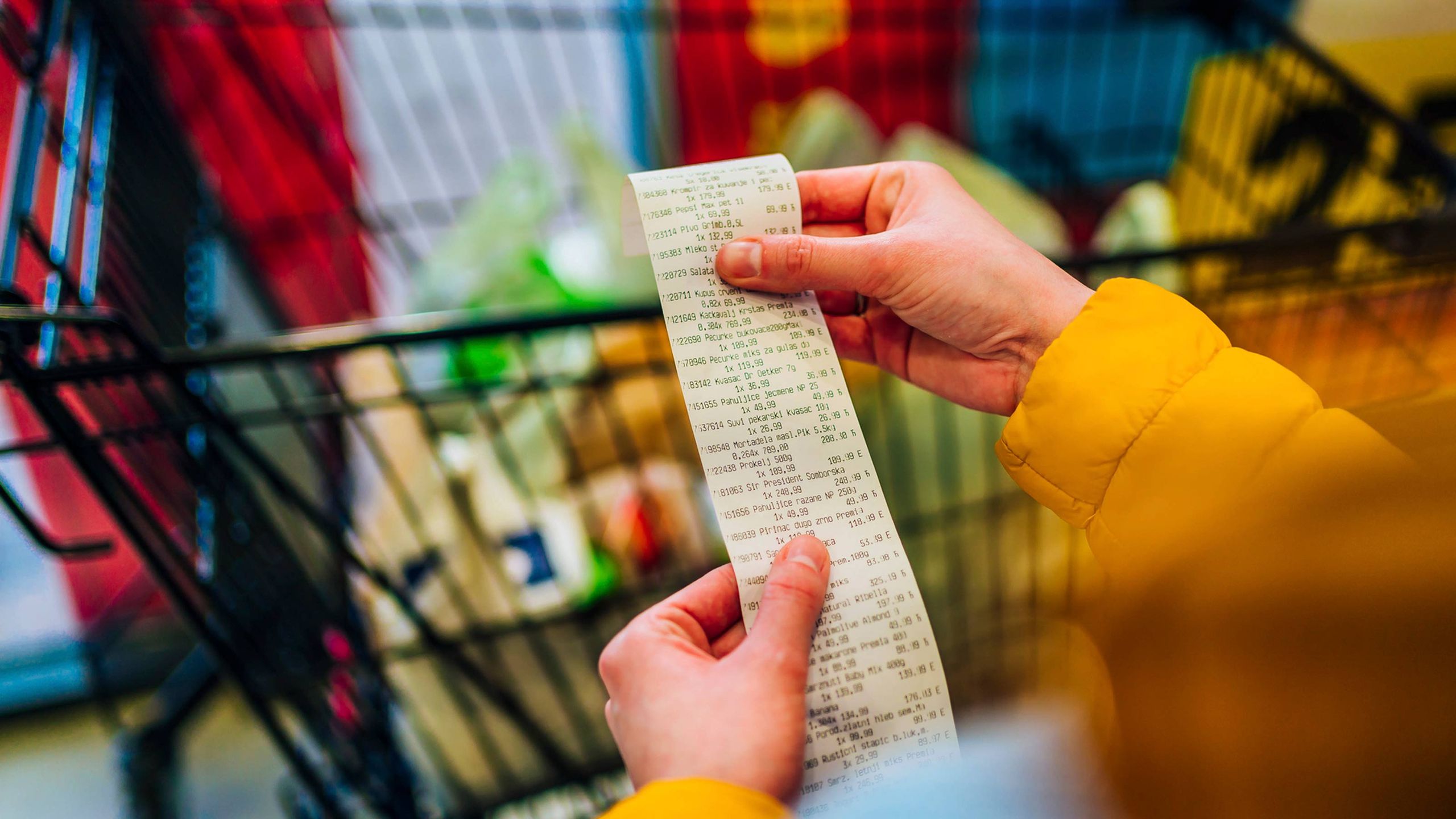
Tired of watching your grocery bill climb higher and higher each year? You might be tempted to move to a lower cost of living area to help cut your monthly budget. Whether that move really makes a difference depends on where you’re coming from. Even the cheapest city on the list is only paying 8.3% less than the national average on groceries.
If you’re moving from San Francisco or another city with the most expensive groceries, the price difference at the store will be more dramatic. But if your current town is close to the national average already, you might hardly notice a change in your monthly spending.
With that in mind, I analyzed the latest grocery pricing data from the Council for Community and Economic Research to find the cities where people pay the least to feed their families. I then compared those grocery budgets to median household income data from the U.S. Census Bureau’s American Community Survey 5-Year Data (2009-2023).
Sign up for Kiplinger’s Free Newsletters
Profit and prosper with the best of expert advice on investing, taxes, retirement, personal finance and more – straight to your e-mail.
Profit and prosper with the best of expert advice – straight to your e-mail.
Take a look at which cities are spending the least to keep their fridges stocked.
Cheap groceries aren’t always affordable groceries
Six of the 11 cities with the cheapest grocery prices are in Texas, meaning you’ll spend less at the store just about anywhere you go in the Lonestar state. But cheap doesn’t always mean affordable. With a wide variation in incomes from one Texas town to the next, groceries are a much bigger strain on the budget in some parts of the state than others.
That’s because prices alone can’t tell you how affordable groceries would be if you moved to one of these cities.
Financial experts typically suggest you keep your grocery budget at 15% or less of your take-home pay. When you factor in median household income, not one of the 11 cities below met that recommendation, despite paying less than the national average to put food on the table.
1. Grand Forks, ND

(Image credit: Getty Images)
- 8.3% cheaper than national average
- Median household income: $72,369
- Average monthly grocery spend: $1,143
- Grocery spend to income: 18.95%
Residents of Grand Forks, North Dakota, are enjoying the lowest grocery bills in the United States. With a median household income of $72,369, groceries still take up more than 15% of their household income, despite being the cheapest in the country. However, food is more affordable here than it is in most other cities on this list.
2. Waco, TX

(Image credit: Getty Images)
- 7.2% cheaper than national average
- Median household income: $56,548
- Average monthly grocery spend: $1,156
- Grocery spend to income: 24.53%
In Waco, Texas, people are paying 7.2% less than the national average to eat. But with a dramatically lower median household income compared to Grand Forks, groceries still strain the budget here. The typical household spends 24.53% of its income on food.
3. Minot, ND

(Image credit: Getty Images)
- 7% cheaper than national average
- Median household income: $77,431
- Average monthly grocery spend: $1,160
- Grocery spend to income: 17.98%
Minot may only rank third place when looking at the prices on store shelves. But the North Dakota city ranks first among the cities on this list for affordability.
With a median income of $77,431, the typical Minot household spends less than 18% of earnings on groceries. That’s still higher than the 15% recommended cap – but it’s a lot less strain on the wallet than many other cities on this list.
4. Harlingen, TX

(Image credit: Getty Images)
- 7% cheaper than national average
- Median household income: $41,756
- Average monthly grocery spend: $1,159
- Grocery spend to income: 33.31%
With a median household income of $41,756, Harlingen has the dubious distinction of being the least affordable place to buy groceries, despite having the fourth lowest prices in the nation. A typical household here will spend more than 33% of their income just to put food on the table.
5. Lawton, OK

(Image credit: Getty Images)
- 6.9% cheaper than national average
- Median household income: $55,506
- Average monthly grocery spend: $1,161
- Grocery spend to income: 25.09%
A typical household in Lawton, Oklahoma, earns $55,506 per year and spends a little over 25% of that on groceries. Even with prices averaging about 6.9% below the national average, the lower median incomes still make those prices unaffordable compared to areas with higher incomes.
Oklahoma had a 4.5% statewide grocery tax, but eliminated it in 2024, which state lawmakers said could save each family hundreds. However, shoppers can still face sales tax, including local taxes.
6. McAllen, TX

(Image credit: Getty Images)
- 6.9% cheaper than national average
- Median household income: $60,907
- Average monthly grocery spend: $1,160
- Grocery spend to income: 22.85%
McAllen residents pay slightly more than their Harlingen neighbors to the east but are also earning about $19,000 more per year. While they’re still technically spending more of their income on groceries than experts recommend, they’re not straining their budget nearly as much as Harlingen residents.
7. San Marcos, TX

(Image credit: Getty Images)
- 6.7% cheaper than national average
- Median household income: $48,091
- Average monthly grocery spend: $1,163
- Grocery spend to income: 29.01%
McAllen’s neighbors to the north are in a similar boat as Harlingen. Residents here pay 6.7% below average at the store. But, with a median income of $48,091, those low prices still take up over 29% of the typical household’s income.
8. Temple, TX

(Image credit: Wikimedia Commons)
- 6.6% cheaper than national average
- Median household income: $71,931
- Average monthly grocery spend: $1,164
- Grocery spend to income: 19.42%
In Temple, Texas, residents enjoy grocery prices that are 6.6% cheaper than the rest of the country. With a median household income of $71,931, they also don’t have to stretch their budget as thin to keep their families fed.
In fact, of the six Texas cities on this list, Temple ranks first on affordability, with groceries taking up just 19.42% of income.
9. Ardmore, OK

(Image credit: Getty Images)
- 6.5% cheaper than national average
- Median household income: $52,954
- Average monthly grocery spend: $1,166
- Grocery spend to income: 26.43%
Groceries in Ardmore are priced 6.5% below the national average. But the typical household here is still struggling to afford those lower prices. With a median income of $52,954 and an average monthly spend of $1,166, Oklahomans here are putting over 26% of their earnings toward food.
10. Corpus Christi, TX

(Image credit: Getty Images)
- 6.2% cheaper than national average
- Median household income: $66,967
- Average monthly grocery spend: $1,169
- Grocery spend to income: 20.95%
This coastal city in Texas pays 6.2% less than the rest of the United States to put food on table. With a median income of $66,967, groceries aren’t exactly cheap, but the typical household here is still faring better than some other towns in Texas.
11. Joplin, MO

(Image credit: Getty Images)
- 6.1% cheaper than national average
- Median household income: $51,154
- Average monthly grocery spend: $1,171
- Grocery spend to income: 27.47%
Coming in 11th place, Joplin pays 6.1% below the national average at the grocery store. On average, a typical household here will spend $14,052 per year to keep food in the pantry, which represents over 27% of that household’s income.
One other point to note is that Missouri is one of the 10 states that still taxes groceries, with a 1.225% food sales tax — and cities and counties can also charge their own tax rates. Joplin has a sales tax rate of 3.125%, although some areas of the city have lower rates due to special taxing districts.
