Close Menu
Money MechanicsMoney Mechanics
    What's Hot

    The Hidden Cost Driving Higher Electric Bills and Shorter Appliance Lifespans

    March 25, 2026

    How the shadow fleet is capitalising on the chaos of war

    March 25, 2026

    Diesel Prices May Rise as Europe Faces Pre-Summer Supply Tightness

    March 25, 2026
    Facebook X (Twitter) Instagram
    Trending
    • The Hidden Cost Driving Higher Electric Bills and Shorter Appliance Lifespans
    • How the shadow fleet is capitalising on the chaos of war
    • Diesel Prices May Rise as Europe Faces Pre-Summer Supply Tightness
    • U.S. Home Prices Barely Budged in February
    • Amazon Spring Sale live blog 2026: Real-time updates on the best deals
    • Setting Up a Business: The End Is a Very Good Place to Start
    • Will Environmental Hazards Make a Mess of Your Estate Plan?
    • Your 401(k) Is Sitting Pretty, But Does It Need a Rethink?
    Facebook X (Twitter) Instagram
    Money MechanicsMoney Mechanics
    • Home
    • Markets
      • Stocks
      • Crypto
      • Bonds
      • Commodities
    • Economy
      • Fed & Rates
      • Housing & Jobs
      • Inflation
    • Earnings
      • Banks
      • Energy
      • Healthcare
      • IPOs
      • Tech
    • Investing
      • ETFs
      • Long-Term
      • Options
    • Finance
      • Budgeting
      • Credit & Debt
      • Real Estate
      • Retirement
      • Taxes
    • Opinion
    • Guides
    • Tools
    • Resources
    Money MechanicsMoney Mechanics
    Home»Personal Finance»Taxes»Shutdown Freezes Federal Flood Insurance, Impacting Homeowners and Buyers
    Taxes

    Shutdown Freezes Federal Flood Insurance, Impacting Homeowners and Buyers

    Money MechanicsBy Money MechanicsOctober 31, 2025No Comments4 Mins Read
    Facebook Twitter LinkedIn Telegram Pinterest Tumblr Reddit WhatsApp Email
    Shutdown Freezes Federal Flood Insurance, Impacting Homeowners and Buyers
    Share
    Facebook Twitter LinkedIn Pinterest Email


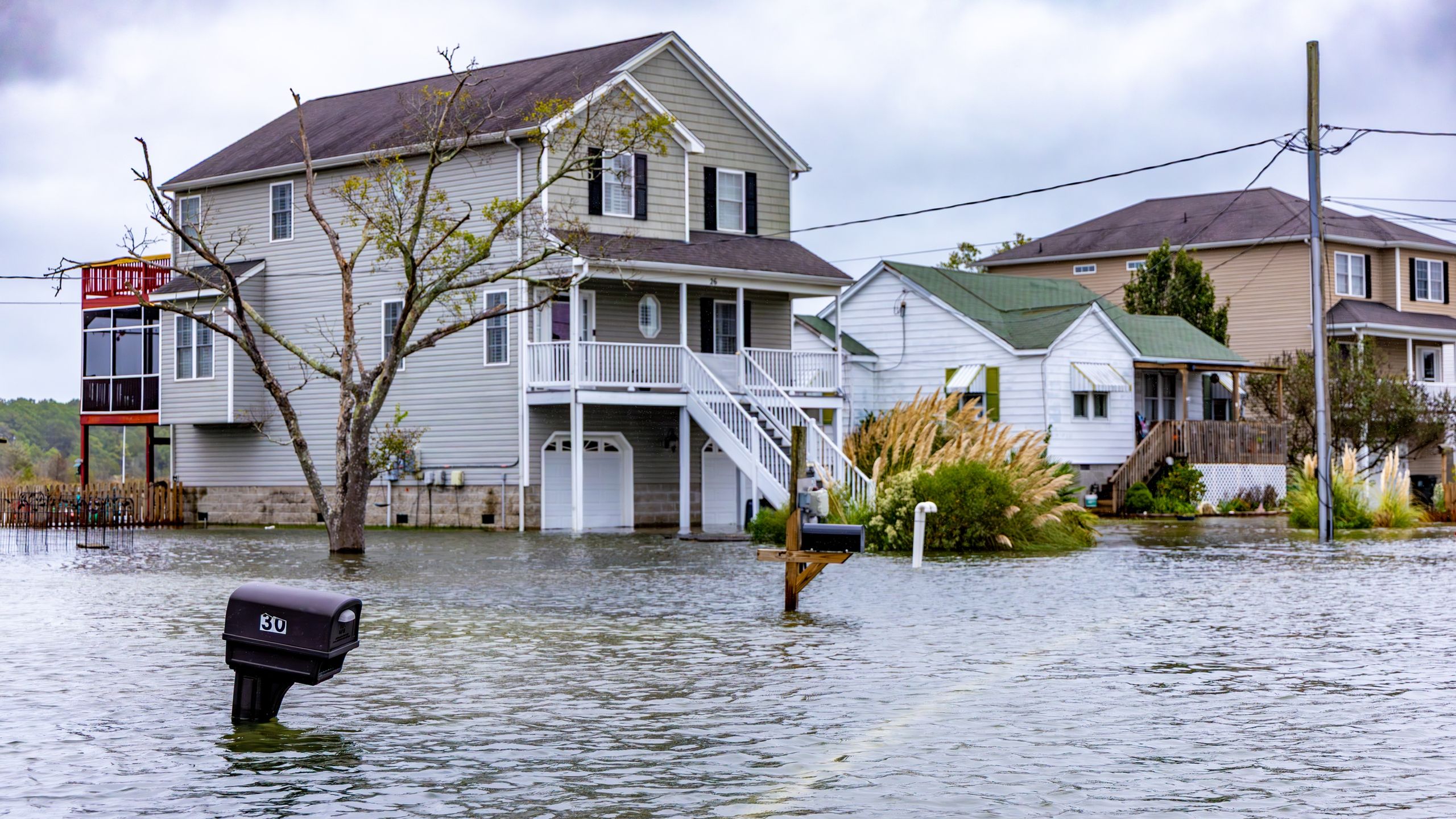
    Did you know that because of the government shutdown, FEMA’s National Flood Insurance Program is not available to new customers or people who want to increase their coverage?

    On March 15, Congress extended the flood insurance funding through September 30. As we are now well past that date, the program has been frozen. So what does this mean?

    The National Flood Insurance Program (NFIP) covers between 4.7 million and 5 million properties across the United States. As of this writing, if you have a paid-in-full NFIP policy, then if you file a claim, you should have your claim covered.

    From just $107.88 $24.99 for Kiplinger Personal Finance

    Be a smarter, better informed investor.

    CLICK FOR FREE ISSUE

    Sign up for Kiplinger’s Free Newsletters

    Profit and prosper with the best of expert advice on investing, taxes, retirement, personal finance and more – straight to your e-mail.

    Profit and prosper with the best of expert advice – straight to your e-mail.


    Kiplinger’s Adviser Intel, formerly known as Building Wealth, is a curated network of trusted financial professionals who share expert insights on wealth building and preservation. Contributors, including fiduciary financial planners, wealth managers, CEOs and attorneys, provide actionable advice about retirement planning, estate planning, tax strategies and more. Experts are invited to contribute and do not pay to be included, so you can trust their advice is honest and valuable.


    But if you’re looking to buy a new policy — for example, because you bought a house — you’re out of luck. If you’re looking to increase your coverage, you’re out of luck again. If your policy has lapsed and you want to get it back, you’re still out of luck.

    NFIP cannot write new policies, increase coverage or reinstate any existing policy. If your policy is coming up for renewal, you may be out of luck there, too, as NFIP isn’t issuing renewals either.

    Your home sale might not go through

    As crazy as this sounds, the impact is far greater. Real estate sales are being heavily impacted since estimates suggest that about 1,300 home sales per day may be lost due to lenders requiring a home to have a flood insurance policy.

    Remember, a flood insurance policy effectively helps to protect a bank’s collateral, namely the property, in the event of flood damage. So if you think a bank will lend you money if it can’t protect what it is lending for, you’re sorely mistaken.

    So what’s a property owner to do?

    If you haven’t already shopped around for your flood insurance, then now is definitely the time. The federal government is not the only one offering flood insurance.

    Flood insurance is offered by many privately owned insurance companies. The prices can be dramatically different than what the NFIP offers, either better or worse.

    Coverage will differ as well, since a private insurance company can offer more choices than the federally mandated policy does.

    You might want to check your homeowners policy

    It is also worth mentioning that flood insurance covers very different loss types than your homeowners, condo owners or renters policy does. While many of those policies will cover water damage, they will not cover flood damage.


    Looking for expert tips to grow and preserve your wealth? Sign up for Adviser Intel (formerly known as Building Wealth), our free, twice-weekly newsletter.


    To be more precise, damage to a home caused by flooding is typically specifically excluded from a homeowners policy. You are reading that correctly — flood damage is not the same as water damage, and flood damage is excluded from most homeowners policies.

    That means, among other things, a homeowner whose home has rising water damage will need a flood insurance policy in place to cover any damage.

    Additionally, you may say to yourself, “Self, you don’t need a flood insurance policy because it doesn’t flood here.”

    If this sounds like you, check your homeowners insurance policy language, and you may likely find a cornucopia of detailed explanations for what is and what isn’t considered flood damage.

    You may be surprised to find that if the water isn’t coming in from the roof or a broken pipe, for the most part, you may need a flood insurance policy to have the protection you think you already have.

    What you can do

    Contact a local insurance broker and ask them to see how much a flood insurance policy costs compared to a private insurance company.

    Want to learn more about insurance? Visit KarlSusman.com.

    Related Content

    This article was written by and presents the views of our contributing adviser, not the Kiplinger editorial staff. You can check adviser records with the SEC or with FINRA.


    Source link

    Share. Facebook Twitter Pinterest LinkedIn Tumblr Telegram Email
    Previous Article14 Best Places To Live (Or Retire) For As Little As $1,200 A Month, According To A New Report
    Next Article Retired? How to Drop the Guilt and Spend Your Nest Egg
    Money Mechanics
    • Website

    Related Posts

    Don’t Ask ‘Are You a Fiduciary?’ — Use This Question Instead

    March 24, 2026

    Family Tax Planning is Experiencing a Rare Moment — Seize It

    March 21, 2026

    Build Relationships, Build Your Brand, Build Your Business

    March 20, 2026
    Add A Comment
    Leave A Reply Cancel Reply

    Top Posts

    The Hidden Cost Driving Higher Electric Bills and Shorter Appliance Lifespans

    March 25, 2026

    How the shadow fleet is capitalising on the chaos of war

    March 25, 2026

    Diesel Prices May Rise as Europe Faces Pre-Summer Supply Tightness

    March 25, 2026

    U.S. Home Prices Barely Budged in February

    March 25, 2026

    Subscribe to Updates

    Please enable JavaScript in your browser to complete this form.
    Loading

    At Money Mechanics, we believe money shouldn’t be confusing. It should be empowering. Whether you’re buried in debt, cautious about investing, or simply overwhelmed by financial jargon—we’re here to guide you every step of the way.

    Facebook X (Twitter) Instagram Pinterest YouTube
    Links
    • About Us
    • Contact Us
    • Disclaimer
    • Privacy Policy
    • Terms and Conditions
    Resources
    • Breaking News
    • Economy & Policy
    • Finance Tools
    • Fintech & Apps
    • Guides & How-To
    Get Informed

    Subscribe to Updates

    Please enable JavaScript in your browser to complete this form.
    Loading
    Copyright© 2025 TheMoneyMechanics All Rights Reserved.
    • Breaking News
    • Economy & Policy
    • Finance Tools
    • Fintech & Apps
    • Guides & How-To

    Type above and press Enter to search. Press Esc to cancel.