


Today we’re talking earthquake preparedness.
Before you click next because you think you don’t live in an area prone to earthquakes, let me just point out that, according to the USGS, states including California, Nevada, Alaska, Utah, New Jersey, Texas, Oklahoma, Washington, Tennessee and Idaho have had an earthquake of 3.0 or higher on the Richter scale in the past five years. So keep that in mind.
One other thing to keep in mind: Areas prone to earthquakes have building codes that take that into consideration, so you have some basic protection in the event of seismic activity. Areas that are not prone to earthquakes do not, so it is on you and only you to prepare as best you can.
Kiplinger’s Adviser Intel, formerly known as Building Wealth, is a curated network of trusted financial professionals who share expert insights on wealth building and preservation. Contributors, including fiduciary financial planners, wealth managers, CEOs and attorneys, provide actionable advice about retirement planning, estate planning, tax strategies and more. Experts are invited to contribute and do not pay to be included, so you can trust their advice is honest and valuable.
I’m going to break earthquake preparedness into three important parts:
- Before an earthquake
- During an earthquake
- After an earthquake
What to do before an earthquake happens
Make a plan for what you will do if/when an earthquake strikes. You can get great ideas and step-by-step lists of what you need to do to prepare at Ready.gov.
You should consider everything from how you will receive an alert about an earthquake to what your shelter and evacuation plans are to your communication plan and more.
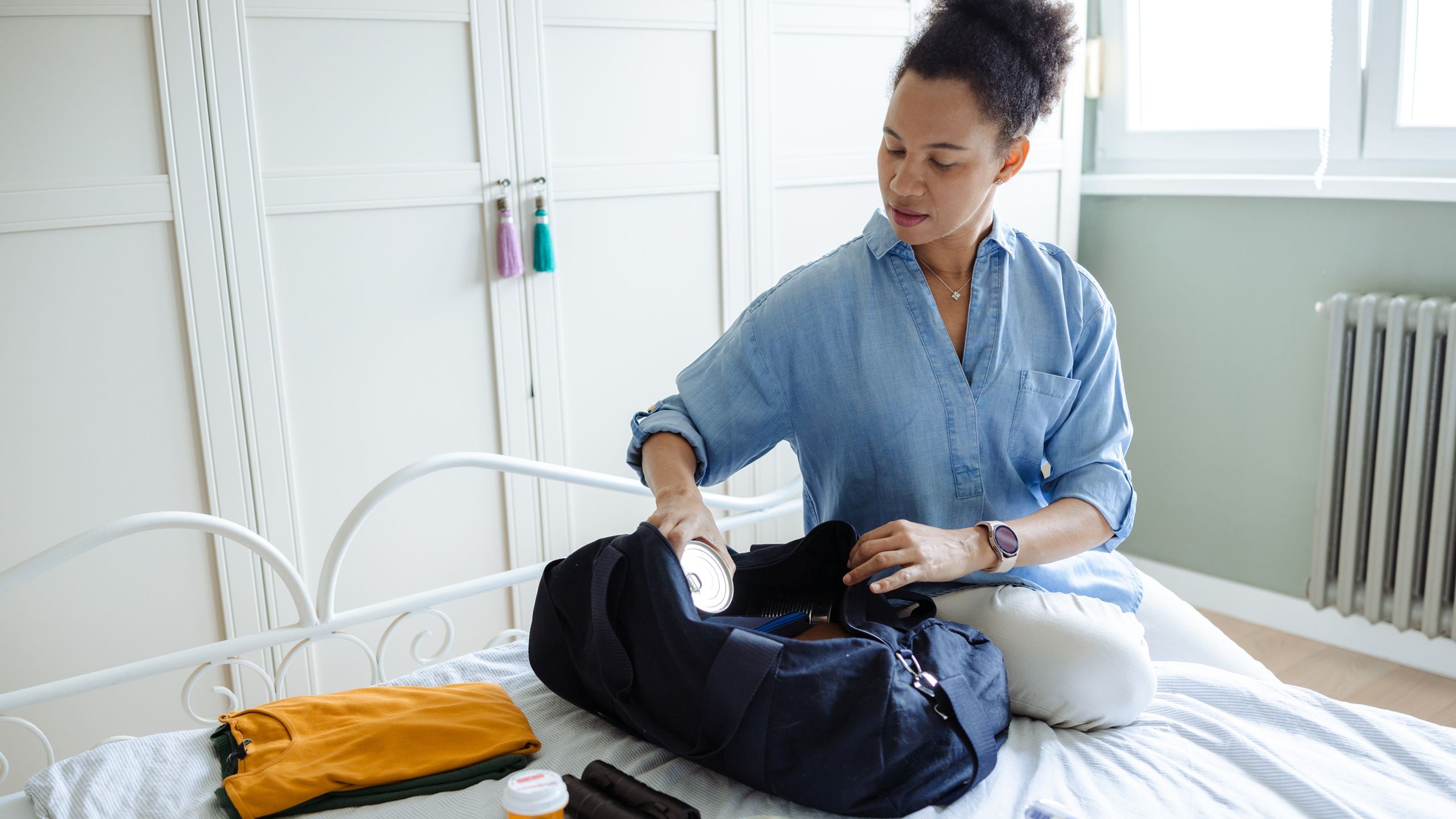
Have an emergency supply kit ready to go. Ready.gov offers help on that, too.
Think about what it means to drop, cover and hold on, which is what you’ll want to do during an earthquake.
What to do during an earthquake
If you are inside, stay there. As mentioned before, you need to protect yourself — drop, cover and hold on — because a lot of stuff will go flying, literally. Get under a heavy desk or table and stay clear of windows and other breakables.
If you are in bed, turn facedown and cover your head with a pillow, at a minimum.
If you are driving, pull over if it is safe to do so and put the car in park.
If you are outside, move away from buildings, large panes of glass and power lines.
What to do after an earthquake
Take a moment to catch your breath.
Be prepared for more shaking, since earthquakes are followed by smaller earthquakes called aftershocks.
If you think it is safe, exit a damaged building. Be on the lookout to avoid broken glass and other debris.
If you are trapped, immediately try texting someone on your phone — cell phone lines will quickly get jammed, so the sooner you do this, the better. Then shout for help and bang on a wall.
If you are near a large body of water, think about getting to higher ground quickly in case of a tsunami.
If you’ve been through an earthquake before, you know how scary they truly are. They come out of the blue. They are loud, shocking and truly will catch you off guard.
The best thing you can do to prepare is to make a plan so you’re not fumbling around in the aftermath, wondering what to do.
Looking for expert tips to grow and preserve your wealth? Sign up for Adviser Intel (formerly known as Building Wealth), our free, twice-weekly newsletter.
Check with your local emergency alert organizations to find out what your options are for receiving alerts.
While it’s not possible at this time to get a lot of notice, even a few seconds can be enough to stop you from getting on an elevator or getting off a bridge.
About earthquake insurance
You can buy insurance coverage to protect your stuff in the event of an earthquake. Cost varies greatly; don’t listen to what you hear on the street.
The price for your location could be a fraction of what your buddy says he is paying. The less frequent earthquakes are where you are, the lower the cost will be.
If you live near a fault line, you’re obviously going to pay more.
You can’t stop an earthquake, but being prepared and educated about what to do when one strikes can help you cope more efficiently if the time comes.
Want to learn more about insurance? Visit KarlSusman.com.
