



(Image credit: Getty Images)
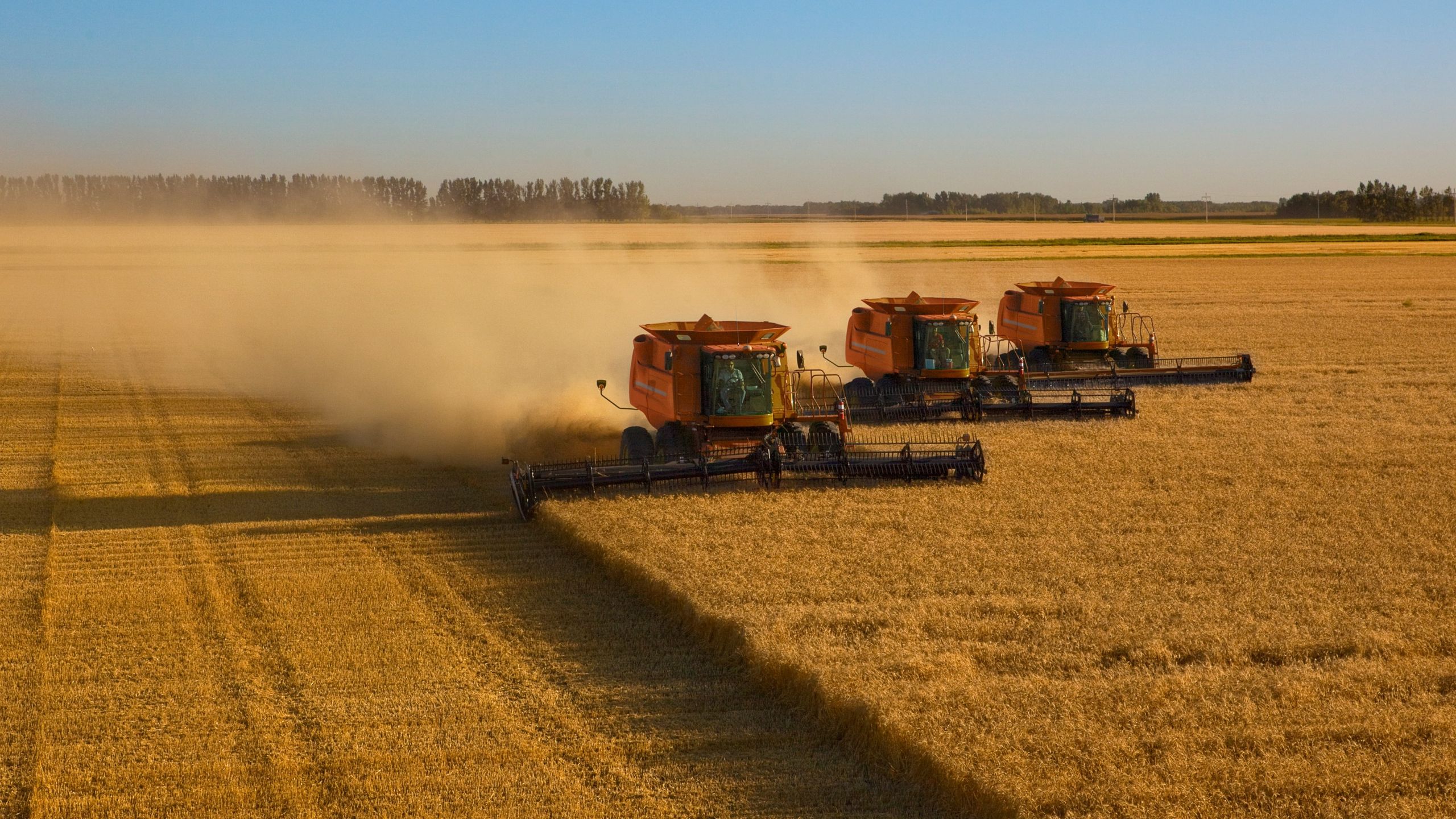
Humans first began farming some 10,000 to 15,000 years ago, making arable land one of our very oldest “managed assets.”
Today, farmland’s global role is more indispensable than ever, to meet the life needs of a swelling global population and, increasingly, soften the harmful impacts of a changing climate.
Farmland also offers a remarkable portfolio opportunity that, while traditionally accessible to institutions, is becoming more available to the individual wealth marketplace, as well.
Sign up for Kiplinger’s Free Newsletters
Profit and prosper with the best of expert advice on investing, taxes, retirement, personal finance and more – straight to your e-mail.
Profit and prosper with the best of expert advice – straight to your e-mail.
With operating models designed to hedge against crop production risk and commodity price volatility inherent in the asset class, as well as deliver vital portfolio goals, farmland’s attributes, and what’s required to optimize a farmland allocation, merit close attention by advisers and investors.
Today, sweeping macro trends are having a profound impact on well-managed farmland’s inherent value.
The United Nations projects that the total global population, currently around 8.2 billion, could grow to around 8.5 billion in 2030, 9.7 billion in 2050, and 10.4 billion in 2100.
Food demand is sharply on the rise
As growth continues, overall demand for food will increase by at least 60% by 2030, according to the United Nations Food and Agriculture Organization (FAO). Demand for more resource‐intensive foods such as meat and dairy products is projected to rise even faster, by nearly 70%.
Demand for protein, plant-based as well as animal-based, will likely grow, as well, with animal sources of protein heavily dependent on healthy production of feed crops.
At the same time that food demand is rising, available land is declining significantly, with the Conservation Fund estimating that a square mile of farmland disappears every day to urban development, renewable energy and other land uses.
A proven investment case
Growing demand with a changing supply picture is just one element of a compelling investment story. Other fundamental factors also will have a powerful influence going forward.
But the case for farmland investment has been proven. Farmland has been called “gold with a coupon,” a reference to its attractive value and return fundamentals.
Long-term performance data show that farmland has delivered:
- A natural hedge against inflation
- Positive return with comparably less volatility
- Resilience throughout the market cycle
The coupon comes from the annual yield rate that’s derived from rental agreements with the farmers cultivating the land.
As an illustration, from 1970 to 2024, farmland tended to move in the opposite direction from stocks and bonds — when the S&P 500, NASDAQ and 10-year Treasuries went up or down, farmland largely went its own way. This is actually a benefit for investors, since it can help cushion a portfolio during market downturns.
Farmland did, however, tend to move in the same direction as gold, which makes sense as both are tangible, real-world assets.
Most notably, farmland had a strong relationship with inflation — as the cost of living rose, farmland values and returns tended to rise with it, reinforcing its reputation as a reliable inflation hedge.
From 1992 to 2024, farmland recorded an annualized return of about 10% and annualized volatility of about 5%, compared with U.S. fixed income returns at not quite 5% with about the same volatility. Farmland returns were positive even during recessionary periods in 2001, 2008 to 2009 and 2020.
Farmland is, arguably, the optimal diversification investment. Current unknowns could diminish the value of many other asset sectors, but demand for food will remain a certainty.
Technology, decarbonization will boost value
The stage is set for further advances in value. Technology is having a massive impact in farm country, for example, with the use of robotics, sophisticated data gathering and artificial intelligence approaches that can address such challenges as labor shortages and rising operational complexity, enhancing decision making in the field and, as a result, stronger margins.
The ongoing decarbonization of the economy will also create more opportunities for value gains. Land-based ecosystems absorbed around 30% of the carbon emissions generated through human activity in the last decade, says the United Nations.
Farmland management approaches that absorb carbon generate marketable “carbon credits” that can enhance return and diversify revenue.
What do advisers need to keep in mind as they consider prospective managers and assets?
Think local. Like most real estate investments, farmland is inherently a local market-driven investment. Such factors as land quality, water availability, tenant pool, weather and infrastructure can all materially affect the investment experience.
It’s important to work with a manager well established in all regions that attractive opportunities can be found. Experience and platform size are key.
Focus on quality. High-quality farmland, land that will produce industry-leading yields in crops essential to the global food chain, will perform better across multiple cycles than marginal land. Look for managers who have a long history of sourcing such land.
Consider new investing structures. Private market farmland opportunities have historically been reserved for institutions at much higher investment levels with longer lock-up requirements. But new structures are emerging that provide “semi-liquid” features suited to the wealth marketplace, such as lower minimums and no lock-ups.
At the same time, advisers and clients should recognize that farmland markets move slower than more developed markets — and require a longer-term investment horizon.
Over time, farmland can be a portfolio standout. But as with any high potential asset, a track record for generating value and innovative investment approaches are must-haves.
Seek out a manager who has multiple decades’ experience across different market cycles in this scarce asset while also having proven best-in-class traditional wealth client servicing, as well.
Related Content
TOPICS
