



(Image credit: Getty Images)
As a lifelong Cleveland Browns fan, I live with plenty of painful gridiron memories, but one stands out: “The Drive,” January 11, 1987 — the AFC Championship Game.
The Browns were leading the Denver Broncos when quarterback John Elway took over at his own two-yard line with just over five minutes left in the fourth quarter. What followed was a 98-yard march that tied the game — a masterclass in composure and clock management under pressure.
Elway mixed short gains with well-timed risks, preserving precious seconds while steadily advancing the ball.
Sign up for Kiplinger’s Free Newsletters
Profit and prosper with the best of expert advice on investing, taxes, retirement, personal finance and more – straight to your e-mail.
Profit and prosper with the best of expert advice – straight to your e-mail.
The Browns lost, and the defeat still stings. But from a broader perspective, it offers a lasting lesson: Success isn’t about having more time — it’s about making the most of the time you have.
Retirement presents the same challenge. After decades ruled by meetings, deadlines and commutes, you suddenly control your own clock. The question isn’t whether you’ll have enough time — it’s whether you’ll be intentional with the time you have.
Too much time, too little structure
During your working years, most of the day was spoken for. In retirement, that structure disappears. Without job commitments, you suddenly have roughly 16 waking hours to shape each day — and potentially 20 or 30 years to fill them. That abundance can feel liberating, but it can also be unsettling.
According to the American Time Use Survey, adults 65 and older spend nearly seven hours a day on leisure — far more than younger adults.
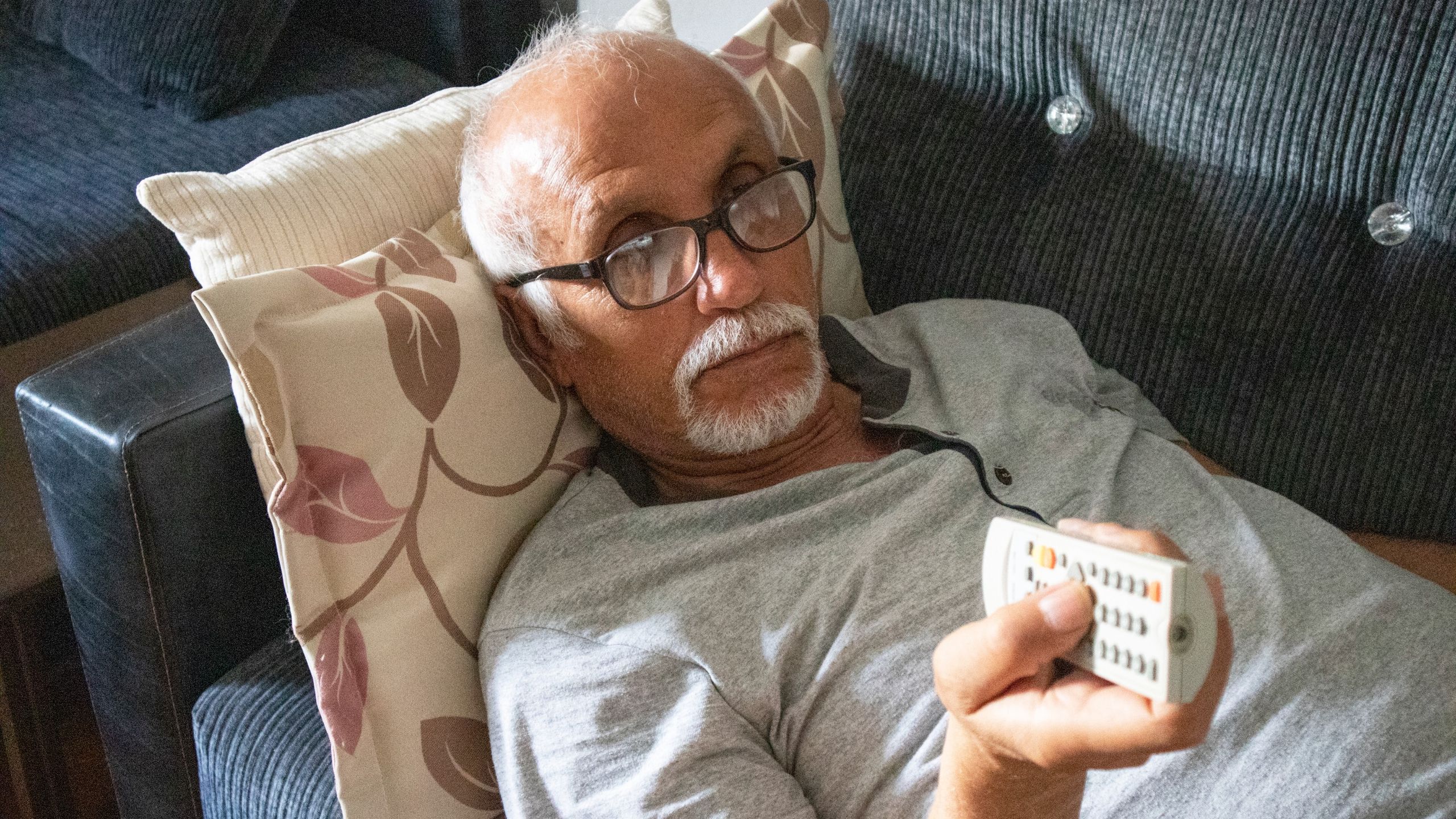
Yet, more than four of those hours often go to television. As John F. Kennedy reminded us, we should “use time as a tool, not as a couch.”
When too much free time starts to feel like a burden, the solution isn’t on the clock, it’s in how we perceive it. Our sense of time is shaped by the richness of our experiences.
In the end, how we experience time depends less on the hours we have and more on how we fill them.
Expand experiences, not just years
We can’t add hours to the day, but we can influence how full they feel. Psychologists note that novel experiences prompt the brain to pay closer attention and to better remember what’s new and emotionally engaging. When days vary, time feels expansive in hindsight. When routines blur, months vanish.
The good news: Novelty doesn’t require skydiving or grand adventures. It can be as simple as taking a new walking route, joining a community class or exploring a nearby town.
Even small shifts create mental markers that stretch your sense of time. Routine compresses memory, but variety expands it.
Retirement offers a rare opportunity to rediscover variety — but the search for purpose can also stir a longing for the self-worth that came from a career left behind.
In the film The Intern, Robert DeNiro’s character, a retiree seeking meaning, captures that feeling when he admits, “The problem was, no matter where I went, as soon as I got home, the nowhere-to-be thing hit me like a ton of bricks.”
Structure without rigidity
Retirement invites freedom, but even freedom benefits from a little structure. After years of schedules and deadlines, it’s easy to swing from overbooked to aimless. The goal isn’t to fill every hour — it’s to shape your days with intention.
If you find yourself searching for identity, start with balance. Too much structure can make retirement feel like another job, too little invites drift. The sweet spot lies between the two.
Design a flexible calendar. Aim for a mix of novelty, purpose and relaxation — a rhythm that keeps you engaged without feeling overcommitted.
Anchor your week. Schedule a few predictable commitments, such as volunteer days, classes or regular gatherings, to create stability and social connection.
Protect open space. Leave room for spontaneity — unplanned time often leads to the most rewarding experiences.
Refresh with the seasons. Rotate activities throughout the year to keep routines fresh and your sense of time expansive.
Technology can also help you stay mindful. Today’s wearable devices track steps, sleep, heart rate and other key indicators. Paying attention to these metrics can offer insight into your physical, emotional and even social well-being.
Staying aware of your body’s signals can help you fight stress and prevent anxiety and depression — all enemies of effective retirement clock management.
The return on time
We plan carefully for longevity in our finances, monitoring assets, forecasting risks and allocating capital. Yet we rarely plan for longevity in how we’ll use our hours and minutes.
Financial plans often focus on what we’ll leave behind, but time invested in people can create an equally powerful legacy.
Legacy isn’t only financial, it’s also experiential: The shared moments with grandchildren, mentoring younger professionals or contributing to your community. These experiences become stories long after the calendar turns.
Research consistently shows that retirees who stay socially engaged report higher life satisfaction than those whose days are dominated by passive habits.
The late basketball coach Jim Valvano once said in his famous ESPY speech, “If you laugh, you think, and you cry, that’s a full day. That’s a heck of a day. You do that seven days a week, you’re going to have something special.”
That simple philosophy could serve as a playbook for retirement — a reminder that fulfillment comes from emotional richness, not just activity.
Americans reaching age 65 today can expect, on average, nearly two more decades of life — a long fourth quarter by any measure. Financial security provides flexibility, but intention determines quality.
Just like “The Drive,” retirement demands its own form of clock management. The goal isn’t to fill every minute or let the hours drift, it’s to decide how this season of life will be played.
Time is the one asset that can’t be replenished. Its greatest return isn’t measured in years accumulated, but in experiences remembered.
