



(Image credit: Getty Images)
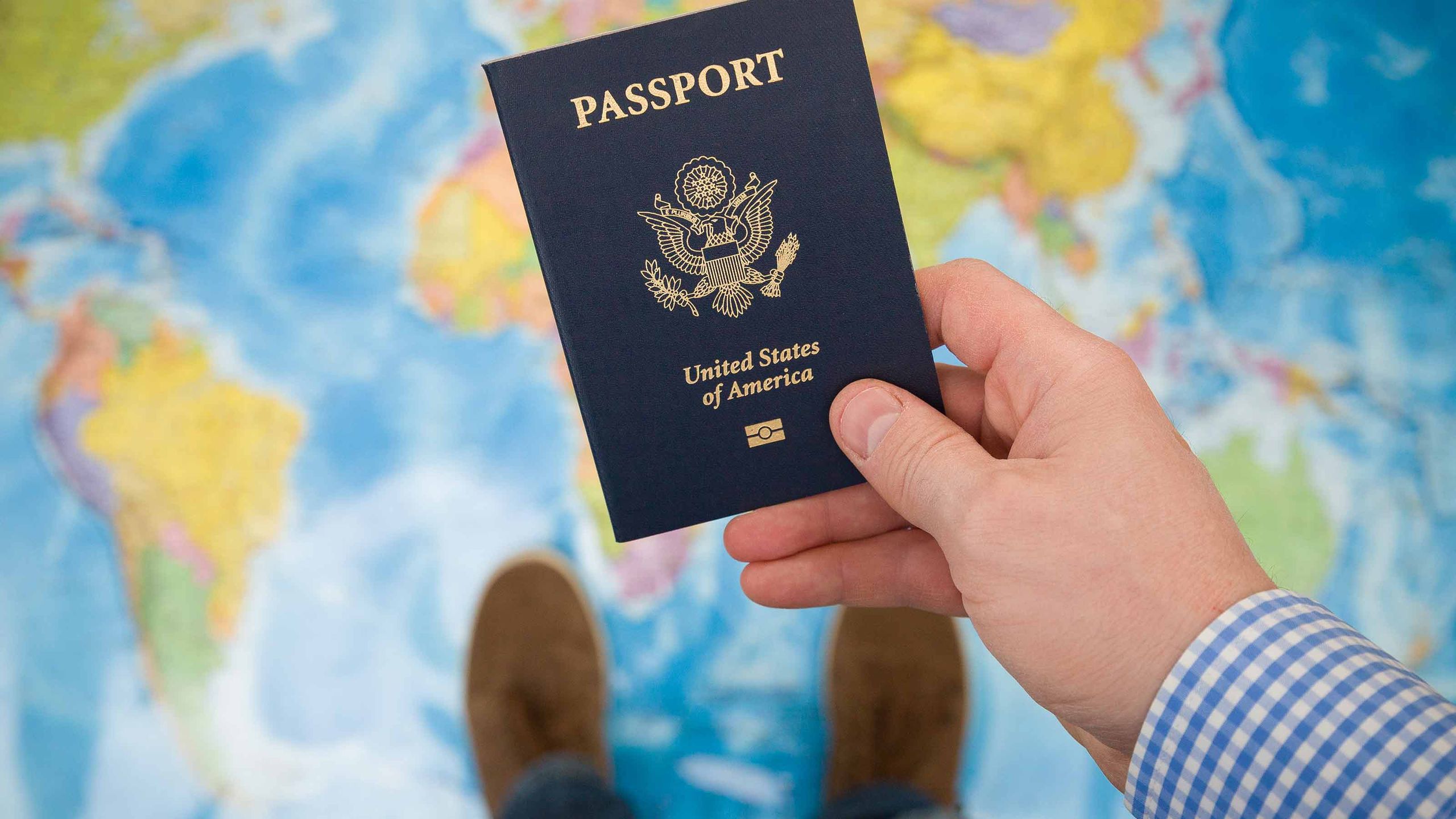
For Americans considering dual citizenship, a second passport may already be within reach.
A growing number of countries, including Canada, are expanding citizenship by descent rules, opening the door for people with family ties to claim citizenship they may not have realized they had.
But qualifying is only the first step. Proving eligibility and deciding whether it is worth the time, cost and paperwork can be far more complicated than many expect.
Sign up for Kiplinger’s Free Newsletters
Profit and prosper with the best of expert advice on investing, taxes, retirement, personal finance and more – straight to your e-mail.
Profit and prosper with the best of expert advice – straight to your e-mail.
Why more Americans are looking into citizenship by descent
Americans are exploring dual citizenship with countries like Canada for several reasons. Interest in mobility and remote work has grown, especially since the post 2020 expansion of flexible work options.
Global uncertainty is also contributing to the growing interest in citizenship by descent. Many Americans are not planning to leave the country right away, but securing a second citizenship can create future flexibility if their circumstances change. Economic volatility, geopolitical tensions and shifting national policies are prompting some to explore options that provide an additional layer of stability.
At the same time, policy changes are expanding who qualifies. In Canada, for example, the government introduced Bill C 3 on June 5, 2025, which updated the country’s citizenship by descent rules. Previously limited to the first generation born outside of Canada, the law now allows some second generation or later individuals to qualify, depending on their family history.
As eligibility broadens, the idea of hidden citizenship is gaining traction. More Americans are taking a closer look at their ancestry to determine whether they may already have a path to dual citizenship.
Who actually qualifies for citizenship by descent
Citizenship by descent allows individuals to claim citizenship based on family ties rather than where they were born. In many cases, people with a parent or grandparent who was a citizen of a country may qualify. Some countries extend that eligibility even further, allowing claims through a great-grandparent.
Rules vary by country. Canada historically limited citizenship by descent to the first generation born outside the country, but recent changes have expanded eligibility in some cases to second-generation applicants or beyond.
Italy generally allows citizenship through parents and grandparents, while Ireland extends eligibility to parents and grandparents and, in certain cases, to great-grandparents.
How to find out if you qualify for citizenship by descent
To check if you’re eligible for citizenship, start with your family tree. You need to be able to trace your tree back to a parent, grandparent, or possibly a great-grandparent who was a citizen of the country in question.
You’ll also need proof of the entire lineage. Documents like birth certificates, naturalization records and marriage records will be key in proving that you qualify for dual citizenship.
Providing citizenship by descent can be challenging, especially if you’re working with a complex family tree. In some cases, an immigration lawyer or service can help you navigate the process. These professionals can help with the preparation of a routine citizenship application, but they can also be invaluable in helping you appeal if your initial application was denied.
The biggest hurdles most people underestimate

(Image credit: Getty Images)
Even if you believe you qualify for citizenship by descent, the process isn’t always straightforward. There are several hurdles that people often underestimate:
- Documentation gaps: Finding the records needed to prove your lineage can be a challenge. Missing records can cause your application to be denied, so you’ll need to spend the time and money to find those documents before applying.
- Processing timelines: Citizenship processing timelines can take months or years. In Canada, for example, current timelines are around 13 months, though delays can extend that window.
- Legal nuances: Eligibility can depend on when and how your ancestors emigrated. Each country has its own rules, and factors such as an ancestor’s citizenship status or legal history may affect your application.
- Costs: Expenses can add up quickly. The Government of Canada charges a $653 citizenship application fee. You may also need to budget for legal help, document retrieval and certified translations.
What a second passport actually gives you
A second passport is not free and the process can take time, but for many Americans, the added flexibility and access that come with dual citizenship can justify the cost:
- Ability to live and work abroad: Dual citizenship gives you the flexibility to live and work in another country. Many people take advantage of expanded job opportunities and the ability to experience a different culture.
- Access to healthcare and education systems: Citizenship can provide access to public healthcare and education systems in another country. In some cases, this can lead to meaningful savings, such as lower costs for major medical procedures or tuition.
- Travel flexibility: Dual citizens often benefit from easier entry into each country, with fewer restrictions and shorter processing times. It can also make long-term stays or retirement abroad more practical.
- Potential tax considerations: In some situations, dual citizenship can provide the option to live in a jurisdiction with a more favorable tax structure, depending on your financial situation and how you file.
The downsides to consider before applying
Before you apply, consider whether the potential downsides of dual citizenship fit your situation.
- Tax implications: Filing taxes can become more complicated as a dual citizen. Foreign tax credits and exclusions may help prevent double taxation, but mistakes or missed requirements could leave you paying more than expected.
- Residency requirements: Some countries require citizens to spend a certain amount of time in the country before they can access full rights or maintain certain benefits. That can reduce the flexibility some applicants expect.
- Ongoing obligations: Dual citizenship can come with responsibilities in both countries, such as military service, reporting requirements or other legal obligations. It is important to understand those rules before applying.
- Emotional and time investment: Claiming citizenship by descent can be a long and sometimes frustrating process. Gathering records, resolving questions and waiting on a decision can take a real toll, so it is worth considering whether the payoff justifies the effort.
Is it worth it? How to decide
Becoming a dual citizen is often most beneficial for frequent travelers and those who plan to spend extended time in another country in the coming years. Remote workers may also benefit from the added flexibility, as can individuals or couples considering retirement abroad.
For those who do not expect to relocate or actively use those benefits, dual citizenship may offer less value. It is best viewed as a strategic asset rather than a novelty, so consider how it fits into your long term plans before deciding if it is the right choice.
