


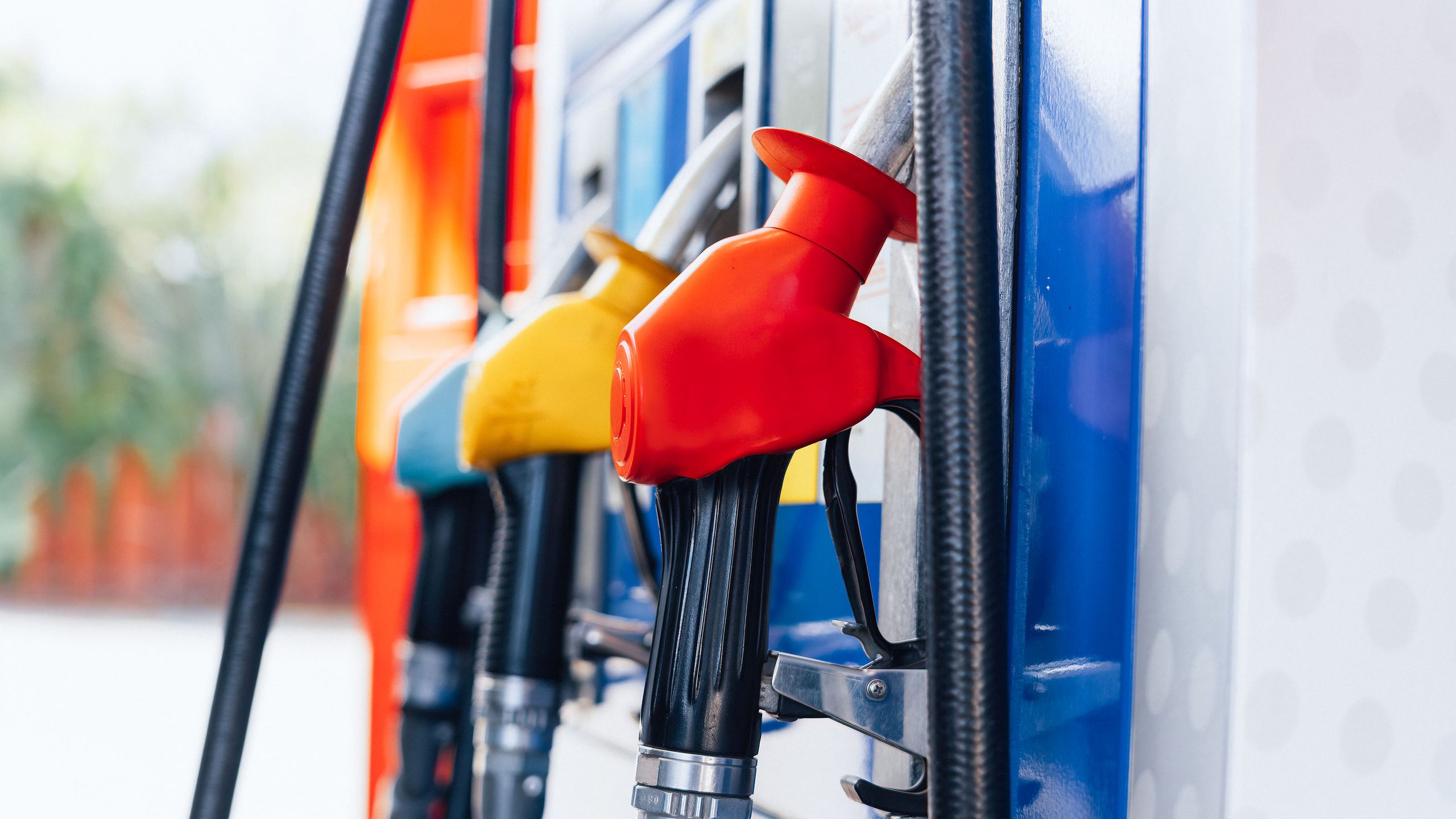
If you’ve felt your wallet shrinking at the gas pump lately, you’re not imagining things. Rising tensions between the United States and Iran have injected uncertainty into global oil markets, helping push energy prices higher.
Gas prices have recently climbed to a national average of around $3.80 per gallon, making every fill-up sting a little more for many already dealing with high prices for essentials.
State and federal gas taxes also make a difference.
Article continues below
Sign up for Kiplinger’s Free Newsletters
Profit and prosper with the best of expert advice on investing, taxes, retirement, personal finance and more – straight to your e-mail.
Profit and prosper with the best of expert advice – straight to your e-mail.
In some states, drivers can pay close to 90 cents per gallon in combined taxes and fees before accounting for crude oil, refining, and distribution costs.
So, here’s a breakdown of the 10 states with the highest gas taxes in 2026, from #10 to #1, including state-only taxes, total taxes with the federal gas tax, and how each state uses this revenue.
But…let’s first look at gas prices.
Why gas prices are rising right now
Gas prices are ticking up again, and for many drivers, the increase feels sudden. But the reasons behind it have less to do with local taxes and more to do with outside forces.
Right now, the national average is hovering around $3.80 per gallon, according to AAA, with some areas paying more. The biggest reason? Tension in global oil markets.
- The war conflict involving Iran has created uncertainty around the global oil supply. Oil traders tend to react to that risk, and since gasoline is refined from crude oil, those increases tend to show up at the pump.
- Limited supply can also drive up gas prices. Refineries, which convert crude oil into fuel, sometimes don’t operate at full capacity due to seasonal maintenance, unexpected shutdowns, or stricter environmental regulations.
- Additionally, transportation, storage, and retail costs can contribute to the final price consumers pay.
Taxes are still part of the equation, but they tend to change slowly.
For drivers, it means the price on the sign is often tied less to local policy and more to events unfolding overseas.
How gas taxes add to the cost per gallon
The federal government currently charges 18.4 cents per gallon of gasoline and 24.4 cents per gallon of diesel, with revenue primarily funding the Federal Highway Trust Fund for road construction and maintenance.
States add their own taxes on top of this, which can include fixed cents-per-gallon fees, percentage-based taxes, or both. In high-tax states, taxes alone can account for roughly 15% to 30% of the total price per gallon, depending on market conditions.
Some states also include additional fees, like environmental levies or inspection charges, that effectively increase the total cost per gallon. These revenues sometimes help fund transportation infrastructure, public transit, and environmental programs.
10 states with the highest gas taxes in 2026
Note: These rankings are based on state excise gas taxes. As noted for each state, total costs per gallon can be higher when additional fees and local taxes are included.
10. Rhode Island Gas Tax 2026
41.1¢ Per Gallon | Total With Federal: 59.5¢
Rhode Island consistently ranks among the highest for gas taxes despite its small size.
The gasoline tax is indexed to inflation, with adjustments every two years. Revenue funds road and bridge maintenance statewide. Drivers also pay minor environmental fees tied to fuel sales.
Even for local commuters, that extra 41.1¢ per gallon adds up over time, particularly during periods of high global oil prices.
9. Virginia Gas Tax 2026
41.6¢ Per Gallon | Total With Federal: 60.0¢
Virginia uses a hybrid system that combines excise taxes with regional, price-based components.
Regional surcharges apply in Northern Virginia and Hampton Roads. Revenue supports highways, bridges, and local transportation projects. Indexed to inflation, rates gradually rise.
Drivers in more urban areas of the Commonwealth may pay slightly more than rural commuters, so total costs vary by location.
8. New Jersey Gas Tax 2026
44.9¢ Per Gallon | Total With Federal: 63.3¢
New Jersey relies on its gas tax to fund the Transportation Trust Fund.
Rates are adjusted periodically to maintain stable revenue for infrastructure projects. Revenue funds road and bridge repairs, as well as transit projects statewide.
Drivers filling up in New Jersey help support major infrastructure that commuters rely on every day.
7. Maryland Gas Tax 2026
46.2¢ Per Gallon | Total With Federal: 64.6¢
Maryland uses a combination of excise and sales-based fuel taxes.
Excise tax is indexed to inflation, automatically increasing over time. Revenue supports highways, bridges, and mass transit programs. Portions of the revenue are allocated to regional transit authorities.
Commuters in Baltimore and D.C. suburbs typically pay higher gas taxes but can benefit from transportation networks.
6. Michigan Gas Tax 2026
48.2¢ Per Gallon | Total With Federal: 66.6¢
Michigan raised its gasoline tax as part of long-term road improvement funding.
Revenue funds highways, bridges, and local roads. Minor environmental fees are included in the total. Excise tax adjustments help keep infrastructure maintained.
For drivers in Detroit or Grand Rapids, those extra cents are used to help repair potholes and bridges.
5. Indiana Gas Tax 2026
54.5¢ Per Gallon | Total With Federal: 72.9¢
Indiana combines an inflation-indexed and price-based fuel tax.
Annual adjustments are tied to the Consumer Price Index. Revenue funds road repairs and bridge maintenance statewide. Some counties add small local fuel taxes, increasing the total.
Drivers may notice gradual increases over time, but the revenue supports long-term infrastructure needs.
4. Pennsylvania Gas Tax 2026
58.7¢ Per Gallon | Total With Federal: 77.1¢
Pennsylvania has a long-standing, high fuel tax structure.
The state uses a wholesale price-based formula that has historically contributed to higher gas tax rates. Revenue supports highways, bridges, and public transit throughout the state.
For commuters in Philadelphia or Pittsburgh, those extra cents per gallon can significantly add to monthly fuel costs.
3. Washington Gas Tax 2026
59.0¢ Per Gallon | Total With Federal: 77.4¢
Washington’s gas tax revenue is constitutionally dedicated to transportation projects.
Funds must be used for roads, highways, and bridges. Major transportation packages have seen rate increases in recent years. Additional environmental-related costs are also factored into fuel pricing.
Drivers in the Seattle area generally benefit from well-maintained infrastructure but pay a premium at the pump.
2. Illinois Gas Tax 2026
66.4¢ Per Gallon | Total With Federal: 84.8¢ (including state, local, and sales tax impacts)
Illinois layers multiple taxes on gasoline.
Excise tax and a statewide sales tax both apply. Local municipalities may impose additional fuel taxes. Indexed to inflation, costs gradually increase over time.
Commuters in Chicago often feel the impact more due to added local taxes.
1. California Gas Tax 2026
70.9¢ Per Gallon | Total With Federal: 89.3¢
California drivers typically face the highest gas taxes in the nation.
Excise taxes rise automatically with inflation each year. Additional fees fund environmental programs, underground storage tanks, and infrastructure projects. Revenue supports highways, public transit, and climate initiatives.
For Californians, filling up comes at a premium: drivers can pay close to 90 cents per gallon in taxes and state-imposed fees, on top of already high fuel prices driven by global oil markets.
