


(By Oil & Gas 360) – The global energy system is being pulled in two directions at once.

On one side, major oil companies are scaling back spending on low-carbon projects, marking the first decline in transition-focused investment since 2017. On the other hand, the latest geopolitical shock tied to the Iran conflict is reinforcing how exposed the world remains to fossil fuel supply disruptions and why the push to diversify energy sources is resurfacing.
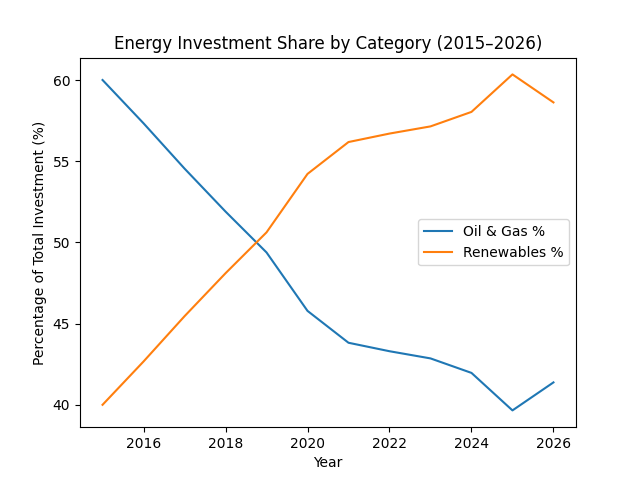
That tension is becoming a defining feature of today’s energy landscape. After several years of emphasizing transition strategies, large energy companies are refocusing on core oil and gas operations.
Investor pressure for returns, combined with volatile commodity markets, has pushed capital toward projects with clearer near-term cash flow. The result is a measurable slowdown in new low-carbon commitments. At the same time, governments are sending mixed signals.
In the United States, officials are reportedly weighing a settlement approaching $1 billion tied to a delayed offshore wind project involving TotalEnergies, highlighting the growing friction between policy ambition and project execution. Regulatory uncertainty, rising costs, and permitting delays continue to challenge large-scale renewable development.
In Canada, the political backdrop is shifting as well. Climate policy proposals are facing increased scrutiny as oil producers argue that higher output is needed to support economic growth and energy security. The debate reflects a broader recalibration: even as governments pursue emissions goals, they are being forced to acknowledge the continued importance of hydrocarbon supply.
Meanwhile, the Iran-related supply shock is underscoring the risks of that dependence.
Disruptions tied to Middle East tensions have pushed oil prices higher and exposed how concentrated global supply remains. In response, policymakers are again emphasizing the need to reduce reliance on imported fossil fuels, even as near-term market conditions reward increased production.
This creates a paradox. Short-term disruptions tend to strengthen the role of oil and gas by driving prices higher and reinforcing the value of reliable supply.
Longer-term responses, however, often accelerate investment in alternative energy systems designed to reduce that same dependence. The result is a widening gap between corporate strategy and policy direction.
Energy companies are prioritizing capital discipline and returns, while governments are attempting to balance affordability, security, and decarbonization, often simultaneously. The outcome is a transition that is becoming less linear and more reactive to external shocks.
For markets, the message is increasingly clear: energy transition timelines are being shaped as much by geopolitics and economics as by climate policy.
Moments like this do not just move prices, they redefine priorities.
About Oil & Gas 360
Oil & Gas 360 is an energy-focused news and market intelligence platform delivering analysis, industry developments, and capital markets coverage across the global oil and gas sector. The publication provides timely insight for executives, investors, and energy professionals.
Disclaimer
This opinion article is provided for informational purposes only and does not constitute investment, legal, or financial advice. The views expressed are based on publicly available information and market conditions at the time of publication and are subject to change without notice.
