



(Image credit: Getty Images)
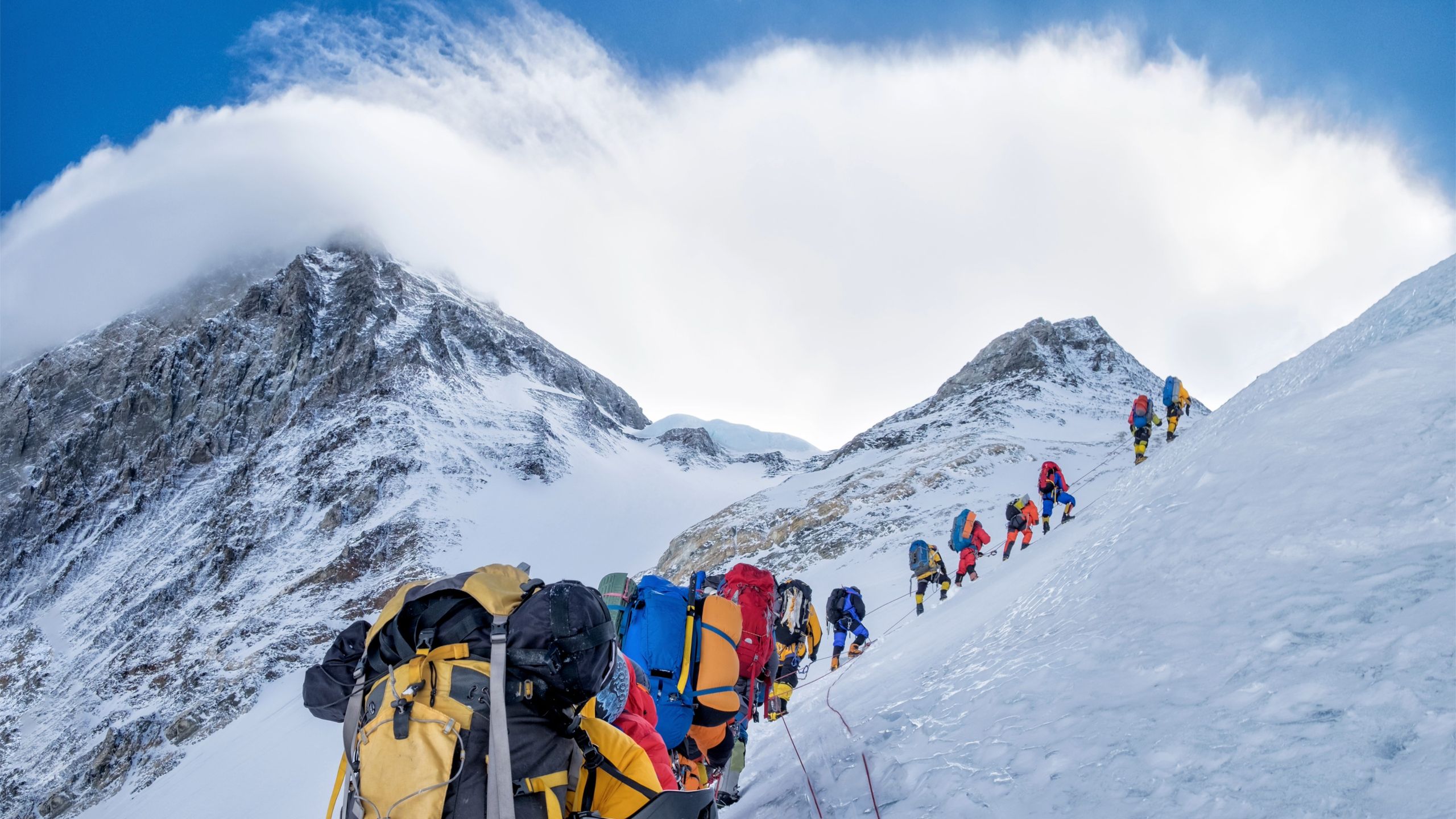
If you’ve ever wanted to climb Mount Everest, you might assume the greatest danger lies near the summit. That’s where the air is thin, the temperatures brutal, and the margin for error is razor thin.
But the data tell a different story. Roughly 80% of Everest climber fatalities occur after reaching the summit. When researchers examine where and why people die on the mountain, four categories consistently rise to the top: Base camp, the ascent, the descent and sherpas.
Each represents a different kind of risk — physical, psychological and environmental. Together, they provide a surprisingly accurate metaphor for the most common mistakes people make as they approach and navigate retirement.
Article continues below
Sign up for Kiplinger’s Free Newsletters
Profit and prosper with the best of expert advice on investing, taxes, retirement, personal finance and more – straight to your e-mail.
Profit and prosper with the best of expert advice – straight to your e-mail.
Like Everest, retirement isn’t dangerous because it’s unfamiliar. It’s dangerous because people bring a fixed mindset into what is actually an endless phase of life.
The death zone and the illusion of the summit
Above 26,000 feet on Everest lies what climbers call the death zone — an altitude so extreme that the human body can’t acclimate. Oxygen deprivation causes cognitive impairment, and cells begin to die.
Summit fever isn’t a mistake that only beginners make. It affects elite guides, physicians, military veterans — people who should know better. Stress, fatigue, ego and fixation combine into a dangerous psychological cocktail.
- “Others have done it. I can, too.”
- “The summit is right there.”
- “This is my only chance.”
The tragedy isn’t ambition. It’s confusing the goal with the mission. The same thing happens in retirement.
1. Base camp: The comfort of incomplete preparation
People die at base camp because it feels safe. Subtle problems are ignored and overconfidence replaces vigilance.
Retirement base camp is the preparation phase — when people are saving, investing and assuming they’re “on track.”
The danger isn’t irresponsibility, it’s false security. Many arrive with assets, but no clear lifestyle plan; assumptions, but little stress-testing.
In your encore years, this is the first mistake: Money is planned before lifestyle. Without clarity around purpose, structure, relationships and lifestyle, even a well-funded plan rests on unstable ground.
2. The ascent: Accumulation without awareness
The ascent is where climbers push hardest. Fatigue builds, and judgment fades.
3. The descent: The most dangerous phase of all
On Everest, the descent is the deadliest phase. After the goal is reached, focus slips.
In retirement, the descent is the transition itself.
- Paychecks stop.
- Portfolios must produce income.
- Tax mistakes compound.
- Structure disappears.
- Identity shifts and purpose is lost.
Yet most plans focus on reaching the peak rather than descending safely.
A purely financial plan isn’t enough. A successful transition requires coordinating money and lifestyle. Failing to plan the descent turns success into risk.
4. Sherpas: Carrying weight that isn’t yours
Sherpas face extraordinary danger because they repeatedly carry heavy loads for others. In retirement, this shows up when people take on financial burdens that compromise their own security — supporting adult children, co-signing debt, funding unsustainable lifestyles.
These choices are emotional, not careless. But generosity without structure isn’t kindness; it’s fragility.
The common thread: A finite mindset
Each danger zone reflects the same underlying issue: Treating retirement like a finish line instead of a long journey. Everest teaches a hard lesson: Reaching the summit doesn’t mean you’ve succeeded. Surviving the entire journey does.
Retirement is not a single event. It’s a multidecade phase that must adapt to changing markets, health, relationships and purpose. No single investment, product or strategy can do everything. You can’t cheat the market, and you can’t optimize for one moment without creating risk elsewhere.
The one question that matters
If retirement could be reduced to a single question, it would not be, “How much have I accumulated?”
It would be: “What are you retiring to, not just retiring from?”
Too often, retirement planning revolves around the summit — the accumulated amount — while giving little thought to what disappears the moment work ends. Income might be replaced by a portfolio, but identity, purpose, daily structure and social connection are rarely replaced at all.
For many retirees, the shock isn’t financial. It’s psychological.
Work has quietly served as the organizing system of life. It structured time, created relevance, provided connection and answered the daily question of why today matters. When that system disappears overnight, even a well-funded retirement can feel disorienting.
This is why so many people describe early retirement as unsettling — not because they planned poorly, but because they planned narrowly.
In your encore years, retirement readiness is not just about financial sufficiency. It’s about life readiness. It asks whether you’ve designed something to retire to, not just something to retire from.
That reframes everything. It shifts the focus from summits to sustainability, from accumulation to alignment, from fear-based decisions to intentional preparation.
The goal isn’t to conquer retirement. It’s to live well within it.
The takeaway
Summit fever in retirement often looks responsible. It sounds disciplined. It feels prudent. But unchecked, it leads people to take more risk than necessary — financially and personally — at precisely the wrong time.
Now is the moment to step back and ask not just whether your numbers work, but whether your life does.
That means reviewing:
- Whether your plan supports the lifestyle you want, not just the assets you’ve built
- Whether your strategies can adapt as markets, health and priorities change
- Whether your portfolio allows flexibility rather than forcing rigid decisions
- Whether you’ve thought seriously about what will replace the role work once played
The road ahead will include volatility — that part is unavoidable. The real risk isn’t market uncertainty. It’s reaching the summit financially — only to discover you never planned for the descent.
When retirement is approached as a long journey rather than a final peak, the Encore Years become not something to survive, but something to live — deliberately, meaningfully and well.
