



Picture this: You’re enjoying a leisurely drive when a vehicle makes a sudden stop in front of you. Okay, no worries, you brake. But then, an odd thing happens. The car in front of you reverses course and crashes into you.
The fun doesn’t end there. The driver of the other vehicle gets out and delivers an award-winning performance. Either he complains of severe neck pain, or maybe he distracts you just enough while additional people climb out of the car, all claiming they were passengers injured in the crash.
This is a common example of an auto insurance scam, and not only can it ruin your day, but it can also impact your wallet with higher insurance premiums. I’ll cover some of the most common scams impacting drivers and what you can do to protect yourself.
Article continues below
Sign up for Kiplinger’s Free Newsletters
Profit and prosper with the best of expert advice on investing, taxes, retirement, personal finance and more – straight to your e-mail.
Profit and prosper with the best of expert advice – straight to your e-mail.
The scams spiking your insurance premiums

(Image credit: Getty Images)
“Auto insurance scams fall into three buckets,” Michael Giusti, an insurance analyst with InsuranceQuotes.com, told Kiplinger. They are:
- Hard fraud: This is where a driver makes a false claim that you hit them, when in reality, they braked to cause the accident
- Soft fraud: With these cases, an accident happens, but someone exaggerates the damage to their car or makes false medical claims
- Consumer: Ghost agents contact you through social media or messaging apps, promising you exceptionally low rates if you pay in cash today
And every false claim can impact how much you pay for insurance. Why? “Insurance is a risk-sharing venture,” Giusti remarks. “It means auto insurance companies will want to recoup those costs, and higher premiums can be the result of that.”
Auto insurance fraud costs Americans $308.6 billion annually, or $932.63 per driver, according to the Coalition Against Insurance Fraud. Therefore, knowing the red flags can help you spot fraud and stop it before you become a victim.
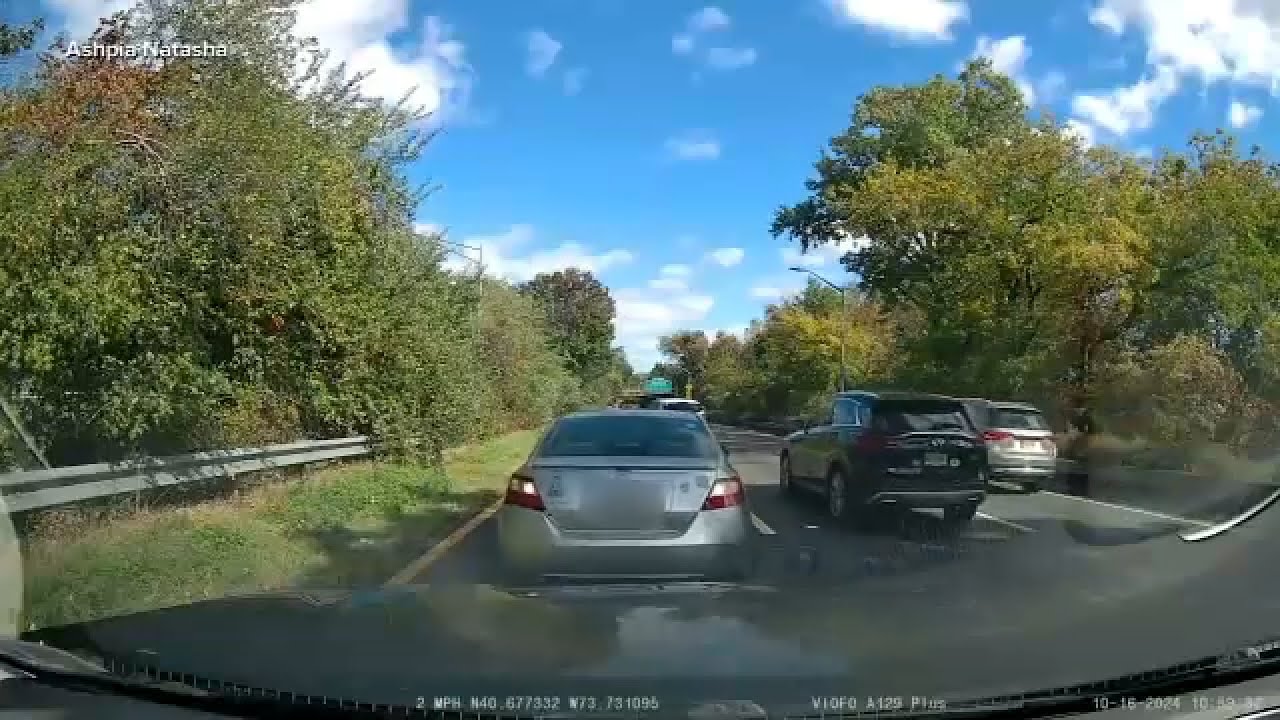
Unlocking the scammer’s playbook: Common red flags to watch
Let’s start with how you buy your auto insurance. If you do so through an independent broker or an insurance company, you don’t have to worry about ghost agents scamming you.
And if you’re looking to lower insurance costs, beware of deals that are too good to pass up. “Ghost insurance agents will reach out to you through social media or messaging apps promising super-cheap rates if you act now,” Michael adds. “Then they can use AI to create documents that make it seem like they work for a reputable insurance agent.”
Instead, use this Bankrate tool to find affordable insurance rates:
On the driving end, some of the most common scams involve:
- The swoop and swat: One vehicle stops in front of you, then a vehicle creeps up behind to ram you
- Paper collisions: Drivers will use a damaged vehicle and crash into you, claiming you caused the damage
- Exaggerated claims: The accident might be real, but the damage or medical claims are exaggerated to earn a higher settlement
- Buying coverage after the fact: Some may drive uninsured, purchase insurance after an accident and lie about when the accident happened
- Repair shop scam: Some repair shops use accidents to scam insurance companies by inflating repair costs, using cheap parts or charging without doing repairs. They might also try to get you in on the scam, stating that you won’t have to pay the deductible and that they’ll handle it with insurance.
How do you find a reputable repair company that your insurance company approves? Research several nearby, staying away from shops with common complaints, such as long wait times, faulty repairs or inaccurate billing.
Referrals also work well, provided your insurance carrier approves the repair shop.
How to protect yourself from scams

(Image credit: Getty Images)
What happens if you notice something not right going on? “Insurance companies pay close attention to fraud, so be sure to contact your insurance provider first,” says Michael. “Each state also has an insurance regulator who examines fraud.”
Another option is to install a dash cam. It can record everything, supporting your claims to the police or court. Some newer cars also have mirrors that record video with replay capabilities — Tesla models are among these.
Below are three highly rated dash cameras that have useful features like wide viewing angles, high-resolution recording and app connectivity to help capture what happens on the road.
And if you’re involved in an accident, “Take pictures of everything. The other driver, passengers, the vehicles involved, the road, skidmarks and anything else in the accident scene,” Michael recommends. The more evidence you’re able to present, the better protected you’ll be.
Stay sharp: Information is your best defense against elaborate scams
Thieves have become adept at scamming insurance companies. By trusting your gut and staying informed about the latest scams, you can protect yourself if a staged accident happens.
Remember, your insurance carrier can be your best advocate when it comes to reporting fraud. They take it seriously because it impacts their bottom line. In turn, reporting it can protect yours.
