



(Image credit: Lincoln Center, Photos by Lawrence Sumulong.)
If the goal of the Heartbeat Summit was to bridge the gap between the stethoscope and the stage, it succeeded entirely. By the time the final meditation concluded, the takeaway was clear: music and movement are essential nutrients for the brain. It was a day that traded traditional “concert etiquette” for movement, meditation, and a scientific deep-dive into why we are hardwired for sound.
“We believe deeply that the health of our communities is a shared responsibility, and that the arts offer a vital blueprint for fostering collective wellbeing,” said Shanta Thake, Ehrenkranz Chief Artistic Officer of Lincoln Center for the Performing Arts.
Held primarily at David Geffen Hall, the summit was designed as a “wellness takeover.” It wasn’t a dry academic conference or event exclusively for the elite; it was a “Choose-What-You-Pay” immersive afternoon. You felt the shift in energy from a traditional concert hall to a space for movement, with everything from Taiko drumming to a chair Pilates session that was accompanied by a Juilliard harpist.
Article continues below
Sign up for Kiplinger’s Free Newsletters
Profit and prosper with the best of expert advice on investing, taxes, retirement, personal finance and more – straight to your e-mail.
Profit and prosper with the best of expert advice – straight to your e-mail.
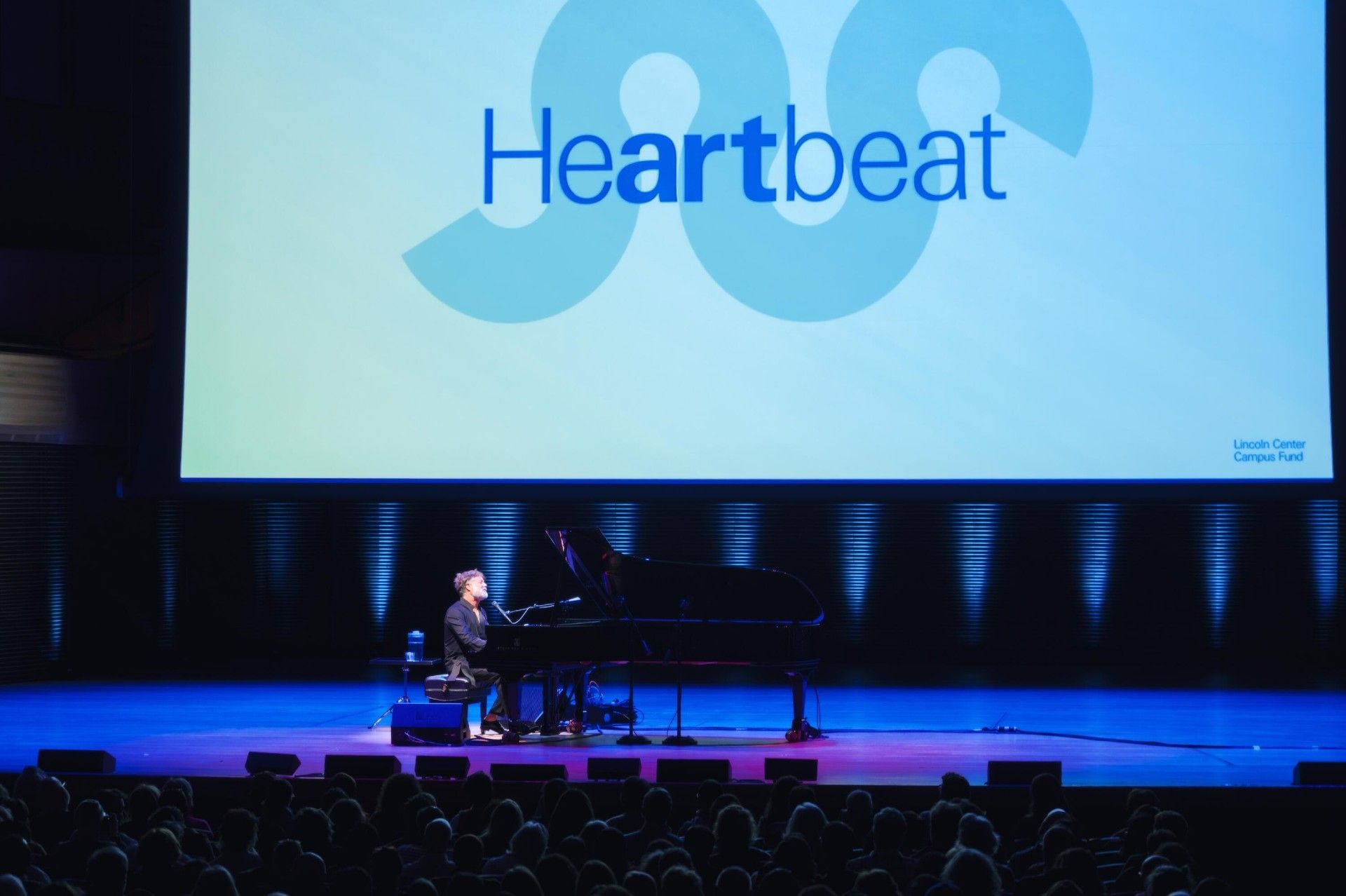
Rufus Wainwright and Dr. Charles Limb opened the event
After opening remarks, musician Rufus Wainwright took the stage to perform, with his piano for accompaniment. It was an exhilarating set that closed with his best-known song, a cover of Leonard Cohen’s “Hallelujah.” Fortunately, that wasn’t the end of Mr. Wainwright’s participation in the event. He was then joined by Dr. Charles Limb to talk about music and the positive impact it has on the brain — the overarching theme for the day’s event.

(Image credit: Lincoln Center, Photos by Lawrence Sumulong)
Dr. Limb is a unique figure at the intersection of medicine and art — he is a surgeon, a neuroscientist and a lifelong musician. His contribution to the Heartbeat summit was vital for the audience; he provided the “hard science” explaining why the artistic experiences we attend actually function as medicine.
He is most famous for his pioneering fMRI studies, where he put jazz musicians and rappers into a brain scanner while they improvised. At the summit, he used his findings to describe the magic behind Rufus Wainwright’s performance. Dr. Limb explained that the brain treats music as a complex language (or even a “second language”), and that listening to Wainwright’s songs triggers a wide-reaching neurological response — activating everything from motor systems to emotional centers.
Other sessions I attended at Heartbeat
The schedule was packed with a variety of events across the Lincoln Center campus. While it was impossible to go to every session, I enjoyed every activity attended and wished the day was longer. Here’s a little bit about sessions I participated in and some of the benefits each activity afforded.

(Image credit: Lincoln Center, Photos by Sean Chee)
Taiko Drumming (Omny Taiko): First up was the “Building Community Through Rhythm” session in the Leon and Norma Hess Grand Promenade. Dr. Aza Allsop joined the drummers to explain that humans are hardwired to synchronize heartbeats and breathing with rhythmic, percussive impact.

(Image credit: Lincoln Center)
Chair Pilates: This session was led by Kerry Shea, a former ballerina and Pilates instructor at the School of American Ballet. The class was taught with live harp music performed by a musician from the Juilliard School. It was a great way to begin to wind down after a flurry of activity. We started with an introduction to posterior lateral breathing. Ms. Shea explained this type of breathing is meant to help calm your nervous system and put your body in a state “more willing to accept” what comes after. We were then guided through exercises that engaged our core and stretched our bodies.
As someone recently diagnosed with osteoporosis, the consequences of falling have taken on a new significance. Concerns about embarrassment have been supplanted by fear of fracturing a hip. I had the chance to speak to Ms. Shea before the event and asked her about how Pilates can impact proprioception awareness. What’s that?
- Proprioceptive Awareness- It is a continuous loop of communication between your brain and specialized sensory receptors called proprioceptors located in your muscles, joints, and tendons.
- The Mechanism: These receptors detect stretch, tension, and pressure. They send rapid-fire signals to the cerebellum (the brain’s coordination center), allowing you to walk in the dark, touch your nose with your eyes closed, or sit in a chair without missing the seat.

(Image credit: Lincoln Center, Photos by Lawrence Sumulong)
This sense fades with age and when proprioception declines, the brain perceives a higher “threat level.” This leads to a stiffening of the body and a shorter gait that makes a person more likely to trip, creating a cycle of decreased mobility and increased anxiety. Pilates can help you maintain that mind/body connection because it’s based on an integrated mind body approach.
This is a concept well-known to Ms. Shea, as it is central to being a dancer. She said “knowing without looking where the body is instinctively” and being able to “know where your foot is when stepping without looking down” can help prevent falls. As Pilates is an activity that “meets you where you are in your life,” it has something to offer everyone.

(Image credit: Lincoln Center, Photos by Sean Chee)
The Meditation with the Poet: I ended the day with Mahogany L. Browne, Lincoln Center’s (first-ever) Poet-in-Residence. She used “creative ideation” and group reflection to help attendees “set intentions” based on the neurological shifts they felt during the day.

(Image credit: Lincoln Center, Photos by Sean Chee)
The Timeless Torches: The New York Liberty’s dance team (ranging in age from 40 to 89) helped continue the fun and learning and close the event. Their performance served as a live lesson on aging and neuroplasticity — proving that active, joyful social performance keeps the brain young and physically resilient.
What we learned: music and the brain

(Image credit: Lincoln Center, Photos by Sean Chee)
The event moved beyond performance to explore the tangible, scientific links between artistic expression and human health. The summit demonstrated that music and movement are not merely entertainment — they are vital biological tools for building resilience, fostering community and healing the brain.
Whether through drumming or singing, the brain releases oxytocin during group artistic activities. This creates a sense of “safety” and community that acts as a biological buffer against chronic stress.
The drumming session touched on how rhythm can bypass damaged neural pathways, which is why it is used as a therapy for patients with Parkinson’s disease or stroke-related motor issues. Drumming may help people “reconnect” their brains with their bodies because it requires the use of both sides of our brains.
The event emphasized that music activates almost every part of the brain — motor, emotional and cognitive.
A rousing send off

(Image credit: Lincoln Center, Photos by Sean Chee)
After the Timeless Torches finished burning up the stage, the jazz band took over. They led us out of the theater with a rousing rendition of “When the Saints Go Marching In” and hopped onto the stage that hosted the Taiko drums and chair Pilates. Instead of heading for the exits, a crowd formed and dancing ensued.
The day was filled with positive energy and good vibes. For New Yorkers who suffered through an unseasonably cold and snowy February, the Heartbeat Summit got everyone out of the house and moving positively. The lessons taught the importance of music and movement for the health of your brain and reinforced the benefits of community.
