



(Image credit: Getty Images)
For most of human history, people did not age alone.
They lived in villages, extended families and small communities where sharing resources was not just a nice idea — it was survival.
Somewhere between suburban sprawl and high-rise living, we replaced that model with something far more expensive and far more isolating: Aging by yourself, in a house you can no longer maintain or in a facility you can barely afford. It seems that part of the American Dream was to own a home, alone.
Sign up for Kiplinger’s Free Newsletters
Profit and prosper with the best of expert advice on investing, taxes, retirement, personal finance and more – straight to your e-mail.
Profit and prosper with the best of expert advice – straight to your e-mail.
That is why I developed “The Pod” — a new way for older adults to live together that is not an institution, not a retirement village and not a lonely apartment with a panic button.
It is a small, intentional community.
What is The Pod?
I didn’t invent communal living; I just made it more fun. My Pod idea is typically four to eight older adults who are friends and who choose to live together in a shared home or cluster of homes.
One of you may never have downsized after your spouse died, and this is a great way to use your space. Each person has a private bedroom and bath, but shares kitchens, living areas, outdoor space and — most importantly — daily life.
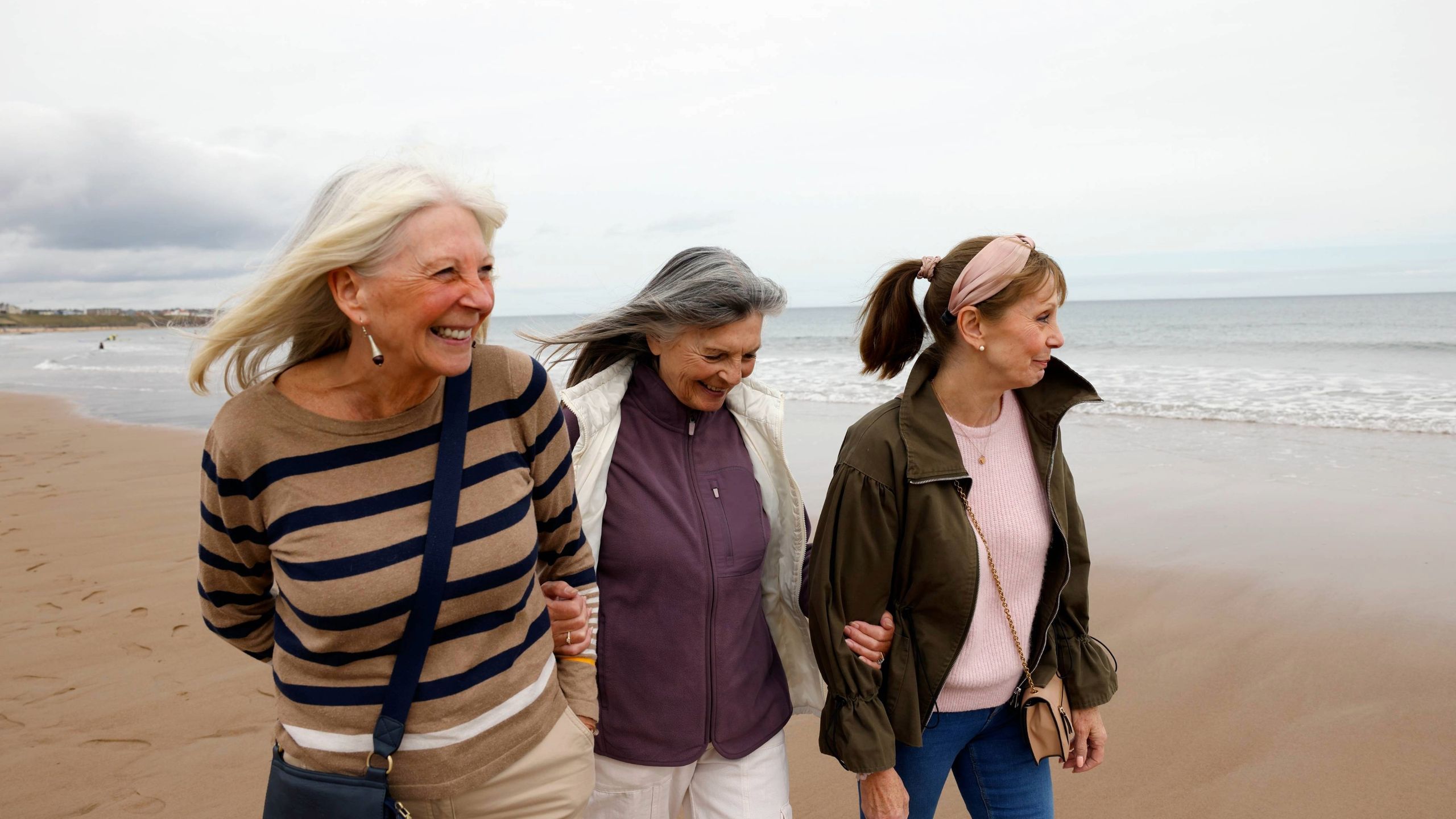
Think of it as a smart, modern version of the old neighborhood, designed specifically for people who want independence without isolation.
No long hallways. No corporate dining rooms. Just friends.
A growing share of older adults are cost-burdened
Across the U.S., many older adults want to age independently — in their own homes or apartments — but the financial realities make that increasingly difficult.
As a Harvard study deemed it, the key issue is housing cost burden, meaning people spend a high share of their income on housing. For older adults living alone on limited and, in many cases, fixed incomes, this translates into real insecurity.
According to research from the American Society on Aging (ASA):
- In 2023, about 33.5% of households with someone age 65-plus spent 30% or more of their income on housing costs.
- Over 12.8 million older households faced housing cost burdens. Of this number, nearly 7 million spent more than half of their incomes on housing costs.
Spending more than 30% of income on housing leaves less for essentials such as food, medicine, utilities or care services — pressures that mount especially quickly when income is fixed.
Older renters are especially vulnerable
Homeowners aren’t the only group struggling — older renters are also hit:
- As of 2024, about 58% of older renters were also cost-burdened by housing costs, according to the ASA.
- When living expenses — housing, food, utilities, medications — are rising while income growth is slow, even modest rent increases can strain fixed budgets.
This is crucial because rental costs have risen sharply in many areas, even as incomes for many older adults remain stagnant or grow very slowly.
Independent living depends heavily on income support such as Social Security or savings, but many older adults have limited resources.
As the National Council on Aging has highlighted, U.S. Census data shows that at least 15% of older people age 65-plus (more than 9 million people) live below the poverty line.
Housing costs can be bad for your health
Also, as people age, so do their houses, which also may need costly repairs. Many homes may also require accessibility modifications that can be expensive. This adds to financial stress.
Living alone means all housing costs fall on one person’s income — no cost-sharing. When rents, utilities, property taxes, maintenance and care costs all rise while incomes, especially fixed incomes, lag behind, many older adults end up:
- Cutting back on health care, food or utilities
- Delaying necessary home repairs or mobility modifications
- Facing instability or even homelessness
- Relying on family or community support
- Becoming depressed
- Becoming sick
These pressures make independent living far less affordable and sustainable for a large and growing segment of older Americans.
Why The Pod solves the affordability crisis
Aging has become brutally expensive.
Between the rent or mortgage, utilities, food, transportation, home maintenance, health aides and emergency care, even middle-class retirees are being squeezed dry. One fall, one illness or one broken furnace can blow up a budget.
The Pod fixes this by sharing the big costs:
- One roof instead of six
- One heating system instead of six
- One internet bill
- One lawn service
- One ride to the grocery store
- One caregiver instead of many
When costs are pooled, monthly expenses drop dramatically. A Pod can often operate at less per person than living alone — or in assisted living — while providing more support and safety.
That is not theory. That is math.
My Pod
My Pod was going to be all women — friends of mine who were looking forward to our “golden years” together. I had rules, however. If they were broken, you could get thrown out.
My biggest rule was: Each morning when we all crawled out of bed, we had to say that we each looked healthy and beautiful. I had a big house that was going to be our central living quarters.
Another prospective member had a beach house in Florida, and that was to be our winter retreat.
We were going to pool resources and share expenses. Kids and grandkids could visit, but not board with us. There was a cute B&B close by, and they could all stay there.
Our goal was to live, laugh, cook and support one another through thick and thin.
The idea is not gone. But life happened. I had to sell my humongous home. A hurricane washed away my friend’s Miami home, and we still think we are young enough to live separately. We will eventually create our Pod.
By the way, I wrote a whole book about The Pod, but my publisher thought it was a “stupid, cute, little idea” and wouldn’t publish it. I went into great detail, even explaining how you could save now for it and also be financially and legally protected upon any form of creation and/or dissolution.
Less money, more security
Here’s the part people miss: The Pod is not just cheaper — it is financially safer.
When you live alone and something goes wrong, you pay for it alone. In a Pod, costs, risks and labor are shared.
Someone notices if you do not come down for breakfast. Someone helps if you twist your knee. Someone calls your doctor before it becomes an emergency.
That reduces hospital stays, delayed care and catastrophic expenses.
Loneliness is expensive. Community is preventive medicine.
The end of ‘aging in place’ as we know it
We have been sold the idea that “aging in place” means staying in a house you can no longer afford or manage. The Pod offers a better version: Aging in community.
You still have your own space. You still make your own choices. You just don’t have to do everything alone — or pay for everything alone.
And in an economy where housing costs, health care and inflation are squeezing older Americans harder every year, that difference can mean everything.
The Pod is not a luxury.
It is the future of affordable aging.
