


In-brief analysis
February 17, 2026
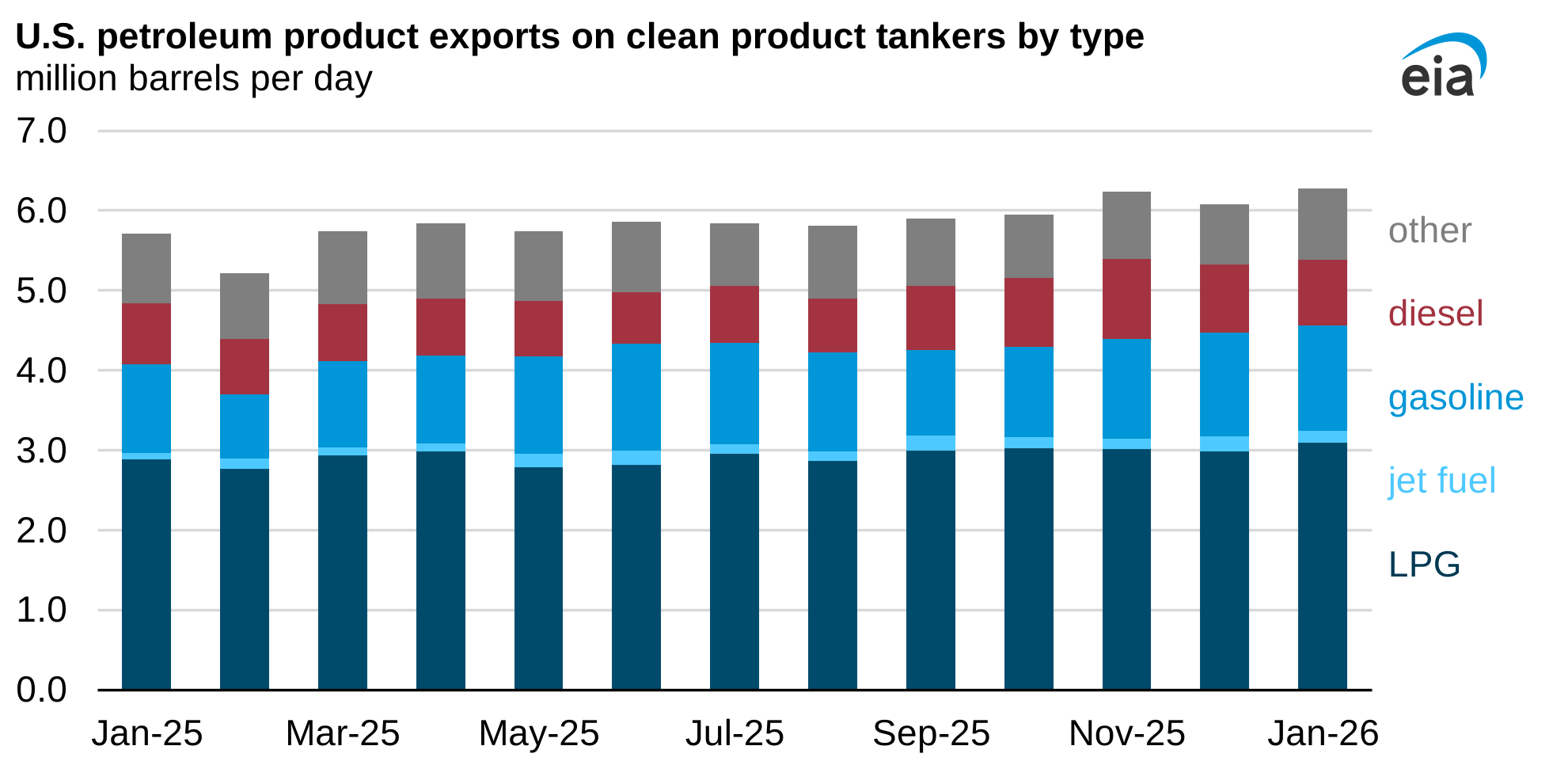
Data source: Vortexa Analytics
Note: Data reflect exports by month of departure. Clean product tankers excludes tankers that carry crude oil, residual fuel oil, or heavy unfinished oils. LPG=liquified petroleum gases
U.S. exports of refined petroleum products carried on clean product tankers have increased steadily over the last year, with exports totaling 6.3 million barrels per day (b/d) in January 2026, about 10% more than in January 2025 and near record highs, according to data from Vortexa. Growth in exports of diesel, gasoline, and liquified petroleum gases (LPG) drove the overall increase. Exports of diesel both increased and shifted destinations, with more headed to Europe and less headed to South America, which has historically been the largest destination for U.S. distillate exports.
According to our Weekly Petroleum Status Report, total petroleum product exports in January 2026 averaged 7.0 million b/d, about 540,000 b/d, or 8%, higher than last year. Clean petroleum products include most finished products, like gasoline, diesel, LPG, and jet fuel, but not crude oil or certain heavier petroleum products, like residual fuel oil. The terms clean and dirty distinguish between products that must be carried on different classes of tankers.
Diesel made up the largest change, increasing by over 210,000 b/d, or 19%, compared with January 2025, reflecting increased demand from Europe. Compared with January 2025, U.S. diesel exports to Europe more than doubled, from 167,000 b/d to 396,000 b/d in January 2026.
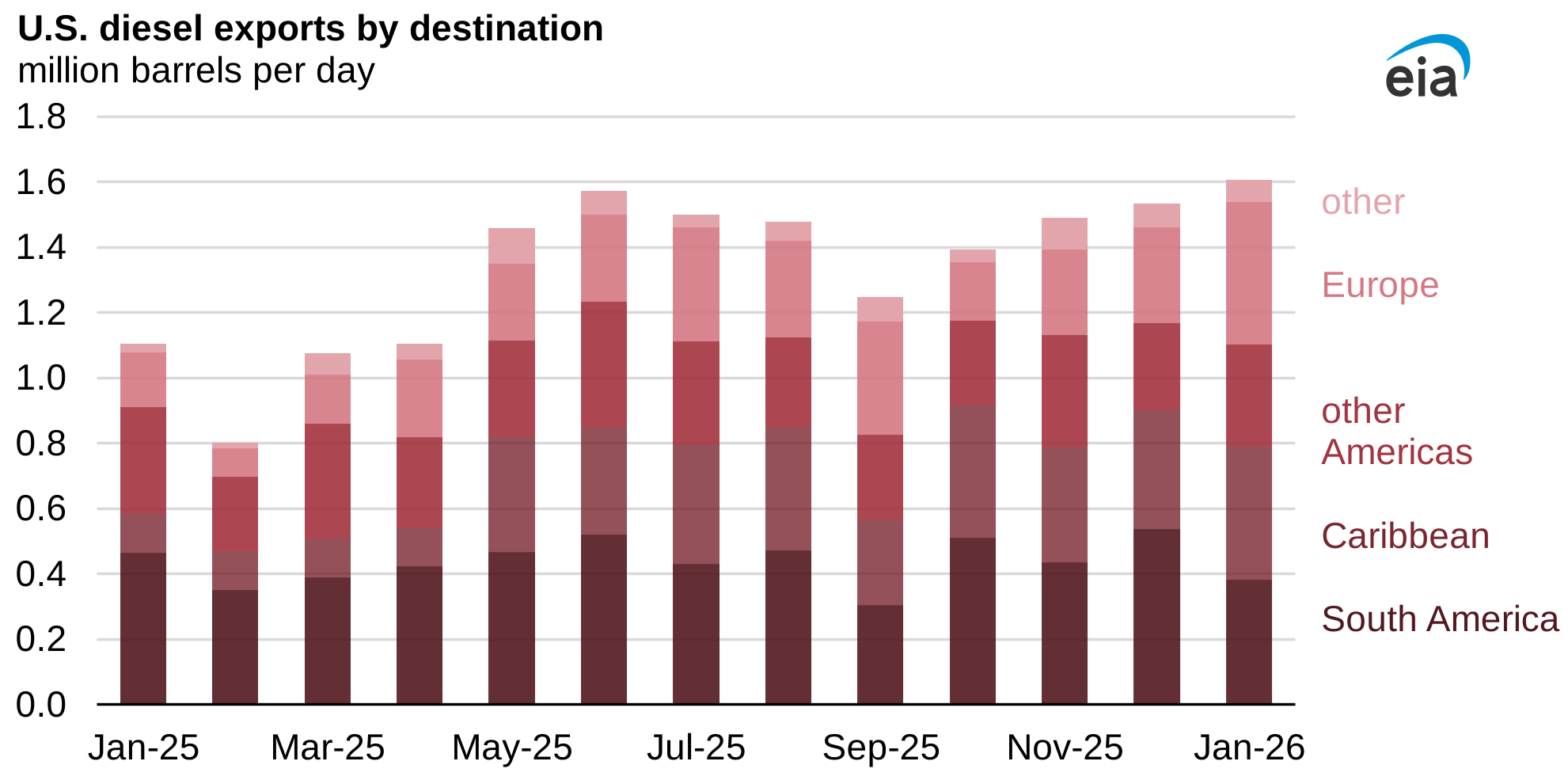
Data source: Vortexa Analytics
Note: Data reflect exports by month of departure.
Increased diesel demand in Europe may be the result of increased need for power and heating this winter and constraints on the availability of diesel supplies from other sources since last autumn. Sanctions targeting Russia’s oil companies and refiners of crude oil from Russia altered the flow of crude oil shipments to refiners and contributed to tightness in global refined product markets that led to sharp increases in diesel refining margins last November. Although overall conditions in the diesel market have eased since then, the structural challenges facing the European diesel market provide additional support for higher exports from the United States.
As diesel exports to Europe increased, exports to South America decreased, keeping U.S. diesel exports to that region slightly below the 2025 high set in June. South America typically makes up the largest portion of U.S. diesel exports, making up 37% in 2025, compared with 22% for Europe. However, In January, increased demand in Europe pushed U.S. diesel exports to Europe higher than those to South America.
After diesel, the second-largest change in total clean product exports compared with January 2025 was from LPG, which also increased by just over 210,000 b/d, or 7%. Increasing exports of LPG reflect shipments of propane and butane out of the U.S. Gulf Coast, as U.S. inventories have trended above the five-year high this winter.
U.S. exports of gasoline and jet fuel also increased in January 2026, likely reflecting lower U.S. prices as Europe’s demand for diesel supported strong U.S. refinery runs and production of other fuels. U.S. exports of gasoline increased by about 55,000 b/d, or 7%, compared with last year, and U.S. exports of jet fuel increased by over 60,000 b/d, or 78%.
Principal contributor: Kevin Hack
