



(Image credit: Getty Images)
For many households, hosting a Super Bowl party has quietly become one of the most expensive “fun” nights of the year right up there with a family birthday dinner out or a weekend road trip. You head to the grocery store with a short list and a rough budget in mind: wings, chips, something bubbly to drink, maybe a veggie tray so your meal can be more balanced. But by the time you reach the checkout, the total can feel closer to a car payment than a casual Sunday gathering.
That sticker shock is happening even as broader grocery inflation has cooled. The disconnect comes from what people actually buy for game day.
Add in Americans’ growing preference for convenience and social gatherings, and the cost of feeding a crowd for football’s biggest night can rival a monthly utility bill. Here’s what the numbers show this year, and what’s driving them.
Sign up for Kiplinger’s Free Newsletters
Profit and prosper with the best of expert advice on investing, taxes, retirement, personal finance and more – straight to your e-mail.
Profit and prosper with the best of expert advice – straight to your e-mail.
How much does it cost to host a Super Bowl party in 2026
Most national estimates peg the average cost of hosting a Super Bowl party for about 10 guests between $120 and $150, depending on how much food is homemade versus store-prepared and how much alcohol is served.
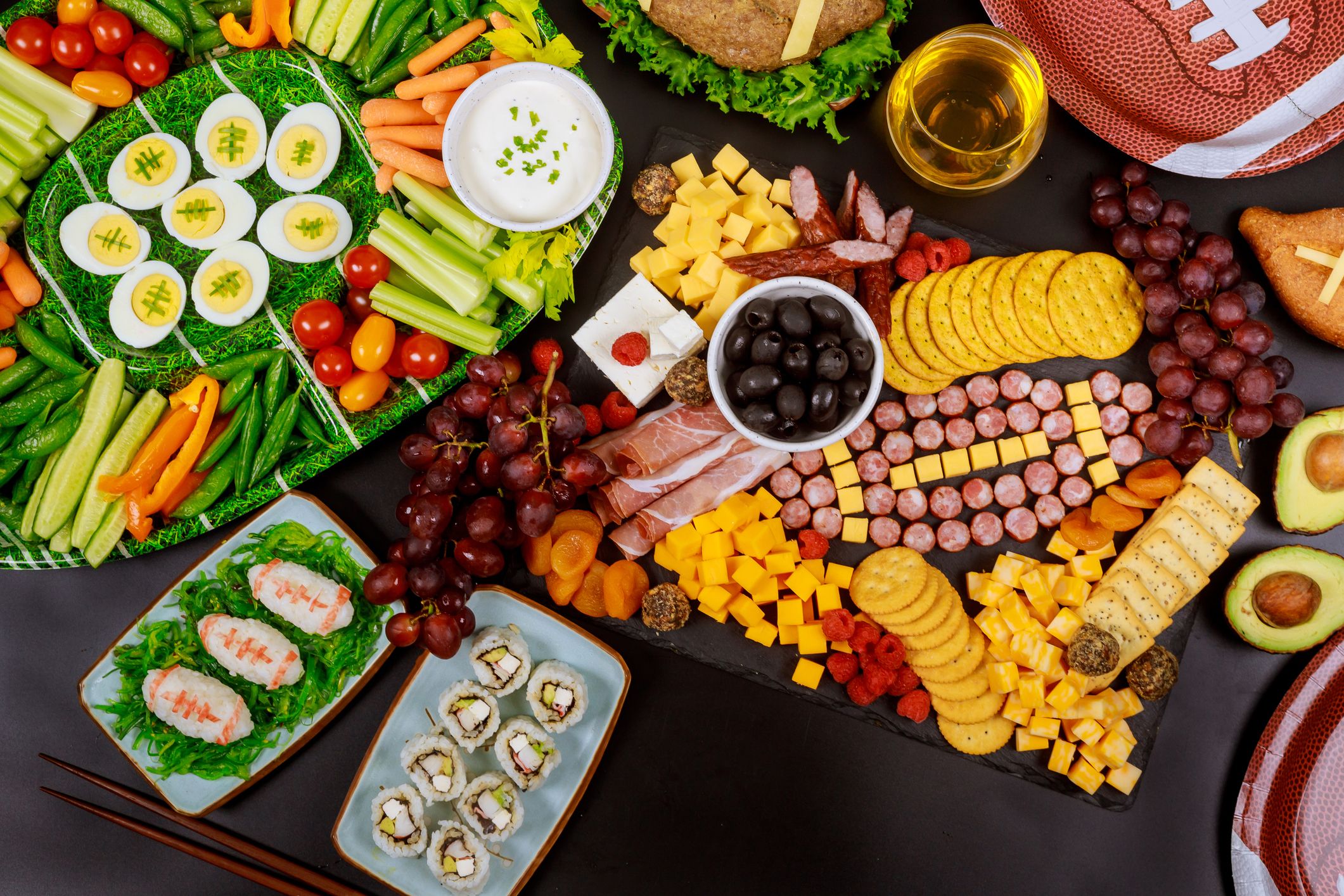
That total typically covers wings or other protein, chips and dips, a veggie or fruit tray, dessert and a mix of beer, soda and bottled water.
Average cost for 10 guests
A “middle-of-the-road” spread might look like this:
- Protein (wings, sliders or sausage): $45 – $55
- Snacks and sides (chips, dips, veggie tray): $30 – $40Beverages (beer, soda, seltzer, water): $35 – $45
- Dessert and paper goods: $10 – $15
Total: $120 – $150
Households that lean heavily on store-prepared platters or premium beer and spirits can easily push that total closer to $175.
Comparison to last year and pre-pandemic costs
In 2025, similar party estimates clustered closer to the $110–$130 range. Before the pandemic, hosting a comparable gathering often cost under $90–$100.
More recent data reinforces that upward trend. One 2026 analysis found hosting a 10-person Super Bowl party costs about $167 — roughly 43.9% higher than in 2020. Taken together, those estimates suggest the cost of hosting a Super Bowl party has climbed roughly 30% to 45% over the past five to six years, even as broader grocery inflation has cooled.
The biggest cost drivers for game-day parties
The biggest drivers behind rising Super Bowl party costs come down to a few key categories. Protein, beverages and convenience foods tend to account for the largest share of game-day spending, and all three have seen notable price pressure in recent years.
Meat and seafood price increases
Chicken wings remain one of the most popular items in the grocery store. While prices are lower than the peaks seen during avian flu disruptions, they’re still elevated compared to historical norms.
Beef for sliders or chili and shrimp for party platters also carry higher price tags, making protein the single largest line item on most Super Bowl shopping lists.
Price breakdown:
- Fresh or frozen wings: $2.99 – $4.49 per pound
- Feeding 10 people: 5–7 pounds = $20 – $30
Alcohol and beverage spending
Beer, hard seltzer and soda add up quickly. A single case of domestic beer can run $18 – $25, while craft or imported options often cost more. Multiply that by two or three cases for a crowd, and beverages can rival the cost of the food itself.
Price breakdown:
- Two cases of beer + soda and water: $30 – $45
- Add a bottle or two of wine: +$15 – $25
Prepared food vs. homemade spreads
Convenience comes at a premium. A deli veggie tray or wings platter can cost two to three times more per serving than making the same items at home. For hosts short on time, that tradeoff is often worth it, but it shows up clearly in the final total.
Price breakdown:
- Pre-made tray: $12 – $20
- DIY version: $7 – $10
- Chips, salsa, queso, nuts: $15 – $25
Why Super Bowl parties are getting more expensive

(Image credit: Getty Images)
There are several reasons why Super Bowl parties are getting more expensive mainly due to the cost of food. While headline inflation has slowed, food-away-from-home and prepared foods continue to rise faster than basic grocery items.
That matters for Super Bowl hosts who rely on deli counters, frozen appetizers and catering-style platters. For example, beef prices jumped more than 16% year over year, meaning burgers, sliders and other protein dishes are more expensive to put together than just a year earlier.
On the supply chain side of things, higher wages in food processing, transportation and retail continue to feed into prices, particularly for labor-intensive items like meat and ready-to-eat foods.
Also, more households are willing to pay extra for time-saving options, which encourages retailers to expand premium party offerings, often at higher margins than raw ingredients.
How much Americans spend overall on the Super Bowl
The Super Bowl isn’t just about chips and wings. It’s one of the biggest annual consumer spending events in the U.S. According to the National Retail Federation and Prosper Insights & Analytics’ 2026 Super Bowl spending survey, Americans are projected to spend about $20.2 billion on food, drinks, apparel, decorations and other game-day purchases this year, with an average of roughly $94.77 per person.
That total reflects everything from party groceries and beverages to themed gear and festive décor, underscoring how deeply the event has become woven into household entertainment budgets.
Ways to host a Super Bowl party for less
Hosting a great Super Bowl party doesn’t have to mean blowing your budget. With a few smart strategies and simple swaps, you can still feed your crew and keep the celebration fun without the expensive grocery bill or convenience-food markup.
Budget-friendly strategies
- Plan and budget ahead: Set a spending limit before you start shopping so you don’t get swayed by impulse buys or convenience items at higher prices. Knowing what you want to spend helps you shop more intentionally and avoid overspending.
- Buy on sale and choose store brands: Many grocery stores discount popular game-day items like chips, chicken wings and beverages in the week leading up to the Super Bowl. Going with store-brand versions instead of national labels can shave dollars off your total without noticeable taste differences once it’s all on the table.
- Stretch ingredients with multipurpose dishes: Use a single protein in several ways. For example, one pack of chicken can become sliders, tacos and a hearty dip to offer variety without buying extra items.
Should you budget differently for large gatherings in 2026?
For many households, big get-togethers are starting to feel less like spontaneous fun and more like a line item that deserves its own spot in the budget. One approach is to treat entertaining as a form of discretionary spending like dining out or travel, rather than folding it into everyday food costs.
Setting aside a small “hosting fund”, even $25 to $50 a month, can make events like the Super Bowl feel more manageable when they roll around, instead of becoming a surprise hit to your checking account.
It can also help to think in terms of per-guest costs. If you know your typical party runs about $12 to $15 per person, you can scale your menu and your guest list accordingly. That kind of planning makes it easier to enjoy hosting without second-guessing every item in your cart or feeling the financial hangover long after the final whistle.
