


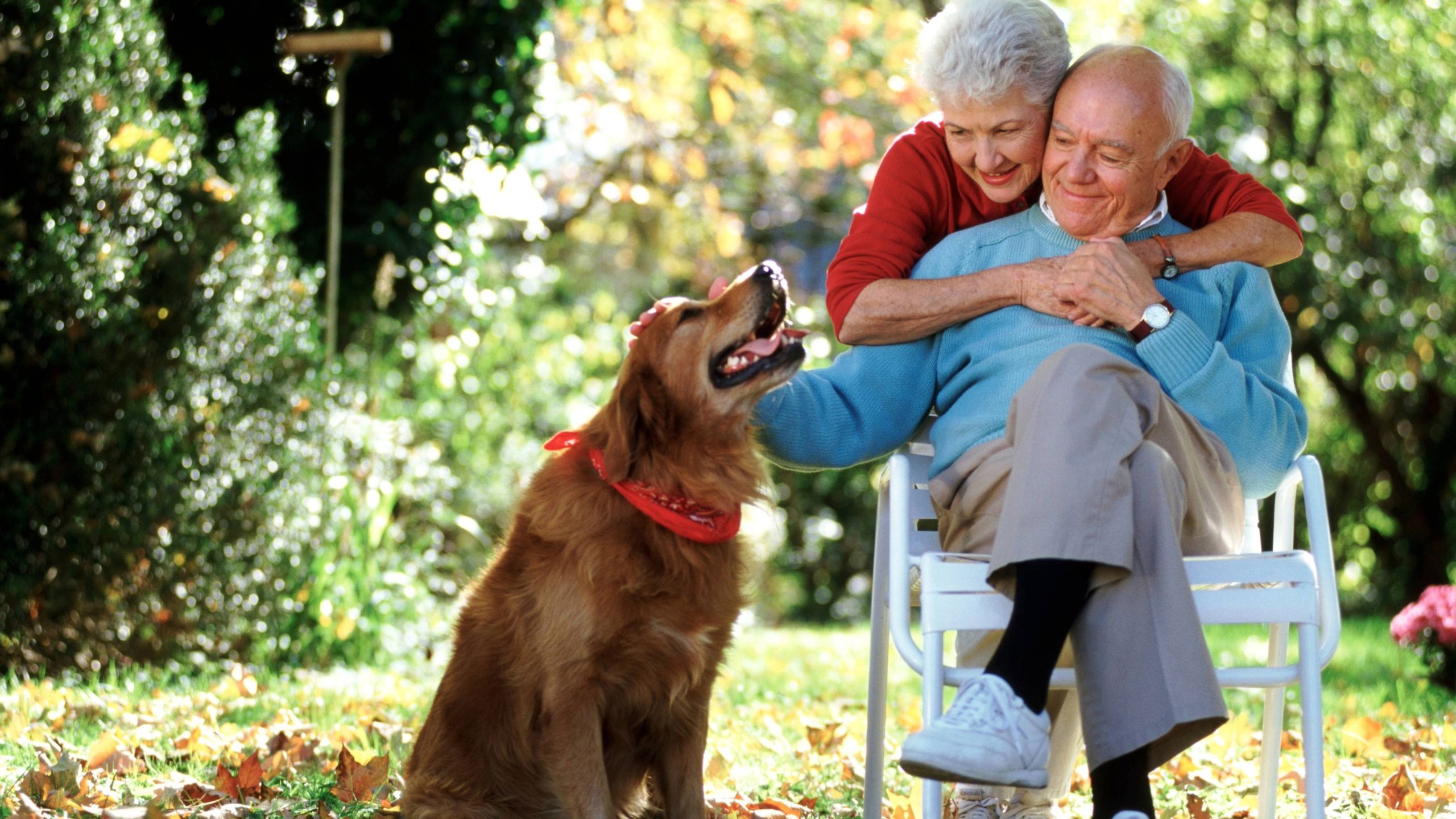

(Image credit: Getty Images)
Many people spend a lot of time thinking about their estate plans and ensuring that family members who depend on them will be cared for after they’re gone.
But even the most carefully crafted estate plans can overlook those most cherished loved ones — the family pets.
It’s important to consider how your pets will be taken care of if you can no longer provide for them. Whether your faithful companions are dogs, cats or even tortoises, here’s what you should know about pet trusts.
Sign up for Kiplinger’s Free Newsletters
Profit and prosper with the best of expert advice on investing, taxes, retirement, personal finance and more – straight to your e-mail.
Profit and prosper with the best of expert advice – straight to your e-mail.
What are pet trusts?
A pet trust is a legal arrangement where you can put aside funds and instructions for the care of your pets after your death or incapacity. This ensures that your wishes regarding your pet’s care, such as their diet or medical needs, will be honored after you’re gone.
A pet trust also designates someone to manage the trust’s assets that are specifically dedicated to caring for your pet.
What are the benefits of a pet trust?
Pet trusts can provide peace of mind knowing that your pets will be cared for consistently and in the way you want after you’re gone. These trusts can be tailored to fit your pet’s specific needs, which may not be possible if you’re using general estate planning tools.
Above all, a pet trust is legally enforceable, which can offer extra protection against potential conflicts or mishandling.
Three things to include in your pet trust
1. Appoint a trustee and caregiver. Choose a trustee to manage the trust’s assets and make certain they are used in the way you have outlined. Also decide who you want to care for your pet on a daily basis. These roles come with a lot of responsibility, so select people you can rely on to carry out your wishes.
The trustee and caregiver can be the same person. If not, be conscious of potential conflicts between the two. Being as specific as possible in your trust can help reduce potential disagreements.
2. Outline specific care instructions. Include detailed instructions about how your pet will be cared for and where they will live. Think about your pet’s food preferences and dietary restrictions, medical needs, exercise schedule, veterinary provider and living environment.
Will your (and your pet’s) current home be sold as part of your estate administration? If not, do you want your pet to be cared for there?
In addition to making sure the home itself is taken care of, also consider potential expenses that the caregiver may incur when moving in or living there — and whether they’d be willing to do so.
Don’t forget to specify how long the trust is in effect for, whether that is for your pet’s lifetime or just a certain period.
3. Designate funds for the trust. Outlining how the trust will be funded is important so that your pet’s care is financially covered. The money you allocate should be enough for food costs, veterinary care, grooming and any expenses that may come up over your pet’s lifetime, including funeral arrangements and burial or cremation services.
A financial adviser can help you plan for these costs and incorporate them into your long-term plan.
Also think about how these funds will be managed and whether they will be invested to care for your pet’s needs over time.
How can you set up a pet trust?
Start with consulting an estate planning attorney who is familiar with pet trusts and state laws governing them. Work with your attorney to draft a pet trust that clearly outlines your specific wishes, appoints trustees and caregivers and allocates funds.
Importantly, an estate planning attorney can help ensure your pet trust is legally binding and can withstand any potential arguments.
Review your pet trust periodically and update it as needed to account for the latest laws or regulations or any life changes, like getting a new pet. Make sure to communicate your plans to your chosen trustees and caregivers, and give them copies of the trust document.
Pet owners often consider their pets as family members who deserve the same care and consideration as human loved ones. For many people, setting up a pet trust can bring them peace of mind and security for their furry friends.
