Close Menu
Money MechanicsMoney Mechanics
    What's Hot

    Stocks Slide Again as Crude Oil Controls: Stock Market Today

    March 24, 2026

    How Is CRH plc’s Stock Performance Compared to Other Building & Construction Stocks?

    March 24, 2026

    Gold and Dow Jones Alignment Suggests Favorable Risk-Reward Setup for Investors

    March 24, 2026
    Facebook X (Twitter) Instagram
    Trending
    • Stocks Slide Again as Crude Oil Controls: Stock Market Today
    • How Is CRH plc’s Stock Performance Compared to Other Building & Construction Stocks?
    • Gold and Dow Jones Alignment Suggests Favorable Risk-Reward Setup for Investors
    • Bond Economics: Bond And Loan Financing
    • Best Costco deals to compete with Amazon’s Big Spring Sale 2026
    • Middle East chaos hands Canada a $65 billion gift – Oil & Gas 360
    • $0 Income Tax? Two New Proposals Could Wipe Out Your Tax Bill
    • Millions Could Get an IRS Tax Refund of Pandemic Penalties: Who Qualifies?
    Facebook X (Twitter) Instagram
    Money MechanicsMoney Mechanics
    • Home
    • Markets
      • Stocks
      • Crypto
      • Bonds
      • Commodities
    • Economy
      • Fed & Rates
      • Housing & Jobs
      • Inflation
    • Earnings
      • Banks
      • Energy
      • Healthcare
      • IPOs
      • Tech
    • Investing
      • ETFs
      • Long-Term
      • Options
    • Finance
      • Budgeting
      • Credit & Debt
      • Real Estate
      • Retirement
      • Taxes
    • Opinion
    • Guides
    • Tools
    • Resources
    Money MechanicsMoney Mechanics
    Home»Personal Finance»Budgeting»5 Simple Fixes to Save on Heat Bills This Winter
    Budgeting

    5 Simple Fixes to Save on Heat Bills This Winter

    Money MechanicsBy Money MechanicsNovember 25, 2025No Comments4 Mins Read
    Facebook Twitter LinkedIn Telegram Pinterest Tumblr Reddit WhatsApp Email
    5 Simple Fixes to Save on Heat Bills This Winter
    Share
    Facebook Twitter LinkedIn Pinterest Email


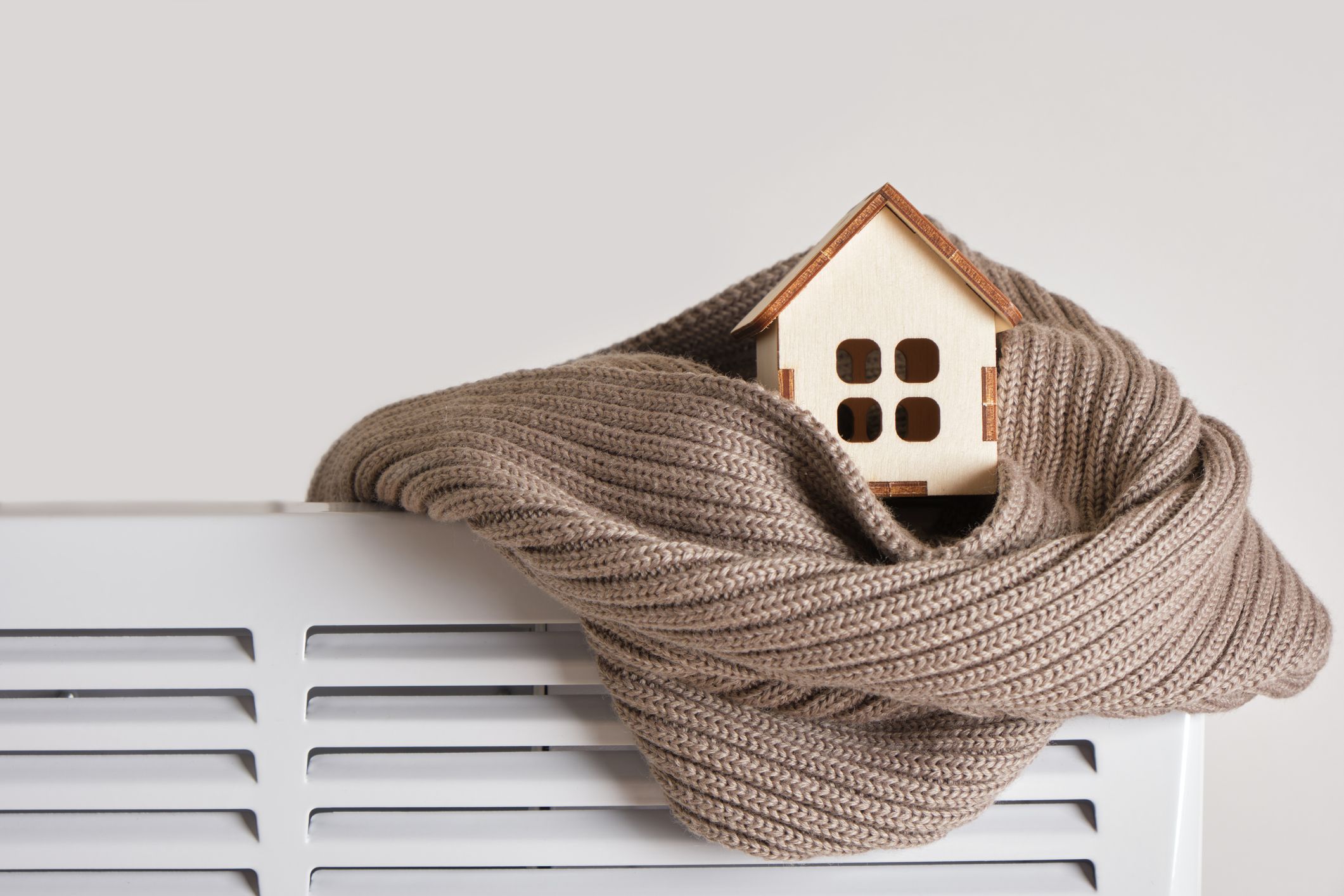
    As winter approaches, home heating bills are giving Americans chills across the country.

    Driven by a projected 20% rise in wholesale natural gas prices for 2026, the cost of keeping your home toasty could rise sharply, depending on where you live and the type of fuel you use.

    Electricity is expected to lead the price hikes, with double-digit jumps in some parts of the country, followed by more modest increases in the cost of residential natural gas. The price of home heating oil, though still the most expensive way to keep a house warm, is expected to remain flat or even drop in some areas.

    From just $107.88 $24.99 for Kiplinger Personal Finance

    Be a smarter, better informed investor.

    CLICK FOR FREE ISSUE

    Sign up for Kiplinger’s Free Newsletters

    Profit and prosper with the best of expert advice on investing, taxes, retirement, personal finance and more – straight to your e-mail.

    Profit and prosper with the best of expert advice – straight to your e-mail.

    “Even with temperatures forecast to mirror last winter, home heating costs are expected to rise about 10% overall, as utilities pass higher fuel costs directly to consumers,” says Mark Wolfe, executive director of the National Energy Assistance Directors Association.

    How can you ease the pinch? “The smartest and cheapest thing homeowners can do is focus on efficiency first,” says Laura Bowler, design lead with Ramboll, a sustainable architecture and engineering consulting firm. “Simple steps can make a big impact.”

    Here are some to consider.

    1. Seal air leaks

    Check your windows and doors for leaks that let in cold air and moisture. For the windows, you can use rope caulk (about $6 at your local hardware store) to seal any openings or damage to sealant you find, says Kriss Swint, marketing director with Westlake Royal Building Products in Columbus, Ohio.

    For the doors, you can install a door sweep, a type of weather stripping that plugs the opening at the bottom ($10 to $20). Reducing these drafts can cut your energy bill by 5% or more, according to the U.S. Department of Energy (DOE).

    2. Unblock vents

    Check around your home to make sure your vents aren’t blocked by furniture, which wastes heat and forces your system to work harder. Don’t want to rearrange couches and beds? You can instead connect a small plastic extender or deflector to the vents ($7 to $20), which can steer warm air to the areas of your home that need it most.

    3. Use a smart or programmable thermostat

    To save on heat while you’re out of the house, consider installing a programmable thermostat, which lets you set an automatic schedule for adjusting the temperature.

    Turning down your thermostat by 10% to 15% for eight hours a day can reduce your bill by 10%, according to the DOE. Or spring for a smart thermostat linked to your cell phone that will track your location and daily patterns, then adjust the temperature in your home accordingly. A basic programmable model is about $50; a smart thermostat goes for around $100 to $200.

    Below are a few top-rated smart thermostats from Amazon:

    Image 1 of 3

    a pic of the Google Nest smart thermostat 4th generation
    (Image credit: Walmart)

    a pic of the meross Smart Thermostat for Home, WiFi Thermostat
    (Image credit: Amazon )

    a pic of the ecobee Smart Thermostat Essential - Energy Star Certified programmable Wi-Fi Thermostat
    (Image credit: Amazon )

    4. Insulate the attic

    “Roughly 25% of heat loss occurs in the attic,” says Swint. To help prevent that, add more insulation, such as fiberglass, wool, or cotton, between the attic joints to trap heat. “If you’re a DIYer, this project should take a weekend,” says Swint.

    ‘Average cost: $1,500 to $3,500, depending on the size of your attic and the material used.

    5. Replace old heating systems

    This could be an ideal time to spring for a new furnace or boiler, while some tax credits are still available for energy-efficient upgrades. One such credit, which expires at the end of 2025, can cover 30% of your energy-efficient home upgrades, for a total savings of up to $3,200. You may also qualify for state and local rebates, depending on where you live.

    While you’re at it, also consider replacing an old attached garage door, which can be a significant source of heat loss. New versions have more insulation and improved sealing.

    A bonus: Sellers recouped nearly double the average $4,513 they paid for a garage door replacement in 2024.

    For more-targeted guidance, consider working with a professional home-energy auditor. “An audit will help identify where heat loss is happening and what improvements make the most sense,” Bowler says. For information on finding an auditor, visit energy.gov/energysaver/professional-home-energy-assessments.


    Note: This item first appeared in Kiplinger Personal Finance Magazine, a monthly, trustworthy source of advice and guidance. Subscribe to help you make more money and keep more of the money you make here.

    Related content


    Source link

    Share. Facebook Twitter Pinterest LinkedIn Tumblr Telegram Email
    Previous ArticleHow Advisers Turn Compliance Into a Competitive Advantage
    Next Article Trump Could Name A New Fed Chair By Christmas, Treasury Secretary Bessent Says
    Money Mechanics
    • Website

    Related Posts

    Death or Divorce: How Women Can Prepare For Possibilities

    March 21, 2026

    How to Correct Market Failures: Methods and Interventions

    March 17, 2026

    Unlock Forex Trading Potential Using Fibonacci Retracements

    March 17, 2026
    Add A Comment
    Leave A Reply Cancel Reply

    Top Posts

    Stocks Slide Again as Crude Oil Controls: Stock Market Today

    March 24, 2026

    How Is CRH plc’s Stock Performance Compared to Other Building & Construction Stocks?

    March 24, 2026

    Gold and Dow Jones Alignment Suggests Favorable Risk-Reward Setup for Investors

    March 24, 2026

    Bond Economics: Bond And Loan Financing

    March 24, 2026

    Subscribe to Updates

    Please enable JavaScript in your browser to complete this form.
    Loading

    At Money Mechanics, we believe money shouldn’t be confusing. It should be empowering. Whether you’re buried in debt, cautious about investing, or simply overwhelmed by financial jargon—we’re here to guide you every step of the way.

    Facebook X (Twitter) Instagram Pinterest YouTube
    Links
    • About Us
    • Contact Us
    • Disclaimer
    • Privacy Policy
    • Terms and Conditions
    Resources
    • Breaking News
    • Economy & Policy
    • Finance Tools
    • Fintech & Apps
    • Guides & How-To
    Get Informed

    Subscribe to Updates

    Please enable JavaScript in your browser to complete this form.
    Loading
    Copyright© 2025 TheMoneyMechanics All Rights Reserved.
    • Breaking News
    • Economy & Policy
    • Finance Tools
    • Fintech & Apps
    • Guides & How-To

    Type above and press Enter to search. Press Esc to cancel.